
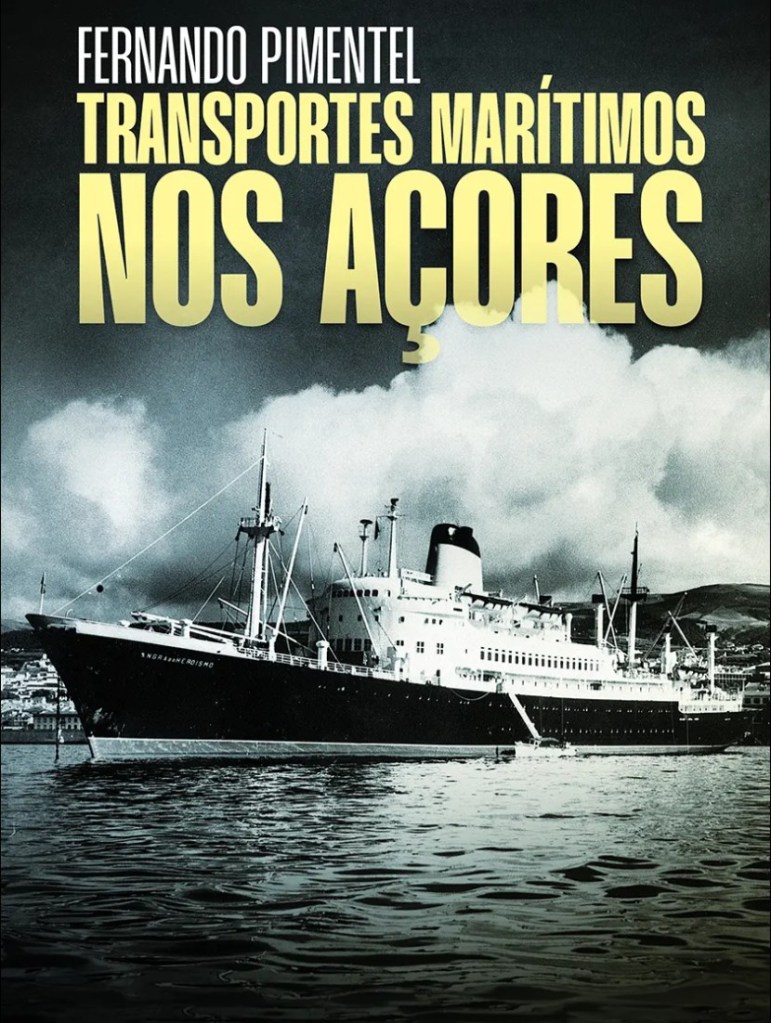
You have just published the book “Maritime Transport in the Azores.” What historical period does it cover and why? Does it deal with passenger transport, or does it also cover cargo transport?
The book Transportes Marítimos nos Açores covers this topic from the 19th century to the present day. It is, therefore, a book that gives us an overview of the entire process of maritime transport in the Azores throughout history.
The book covers passenger ships, mixed ships, and cargo ships, without forgetting island cabotage.

How would you characterize maritime transport in our islands over time? Has serving the population always been a priority, or has this need not always been a top concern?
Over time, maritime transport in the Azores archipelago has developed, both in terms of vessels and voyages. While these voyages were initially made in rustic, unsafe vessels, over time and with improvements in port infrastructure and vessels, everything became easier. These improvements were always aimed at providing a better service to the population.
Which ships do you highlight in your book, and what makes you pay attention to these vessels?
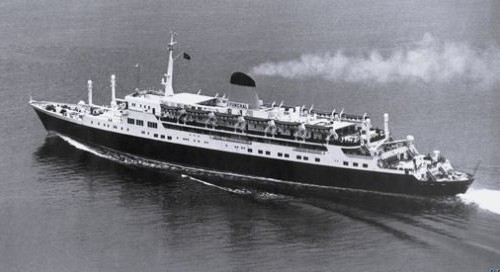
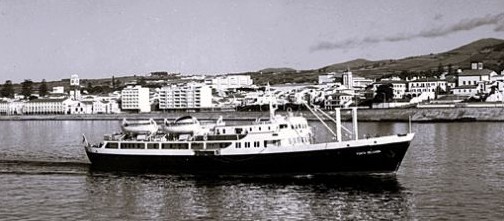
Dozens of ships are described in the book. Still, I would highlight the “Funchal,” the “Carvalho Araújo,” the “Lima,” the “Ponta Delgada,” and, from the Azores, the “Terra Alta,” the “Espírito Santo,” and the “Santo Amaro,” as they are the best known and are still remembered fondly today, both for their characteristics and for the countless voyages they made in the Azores.
Azorean shipyards have been building ships for centuries. Were these ships important in connecting the islands? Did they also serve as connections to the outside world?
Azorean shipbuilding was also very important for maritime navigation between islands and for fishing. I would highlight that it was carried out on the island of Pico, which, like the other islands, lost importance over time.
Passenger maritime transport in the Azores is now reduced, after a period when chartered ships transported Azoreans and tourists, as well as boats, between all the islands. Is the current situation acceptable to you in an archipelago with nine islands? What model do you advocate?
Unfortunately, there are currently no boats connecting the nine islands. Despite the “Azores Tariff,” which provides very cheap air travel between the islands, I think it is unacceptable that there are no connections between the nine islands, especially during the summer.
Notable vessels
“…I would highlight the ”Funchal,“ the ”Carvalho Araújo,“ the ”Lima,“ the ”Ponta Delgada,“ and, from the Azores, the ”Terra Alta,“ the ”Espírito Santo,“ and the ”Santo Amaro,” as they are the best known and are still remembered fondly today.
Boats to serve the population well
“…maritime transport in the Azores archipelago developed, both in terms of vessels and voyages. While these voyages were initially made in rustic and unsafe vessels, with the passage of time and the improvement of port infrastructure and vessels, everything became easier. These improvements were always aimed at providing a better service to the population.”
In Diário Insular-José Lourenço director
“This work, like the rest of Fernando Pimentel’s work, contributes once again to preserving and saving from oblivion a rich heritage that is part of the Azores’ identity. It is the result of meticulous, careful, and well-documented research, as evidenced by the Sources/Bibliography, on people, objects, and places whose documentary and museum value is extremely relevant.
An extremely clear and precise text and relevant and carefully selected photos bring with them memories and images of the past that, at the same time, open up an easier path to the future, showing us, once again, the need to preserve everything they represent.”
Commander Lizuarte Machado (from the editor)
 Filamentos (artes e letras)