
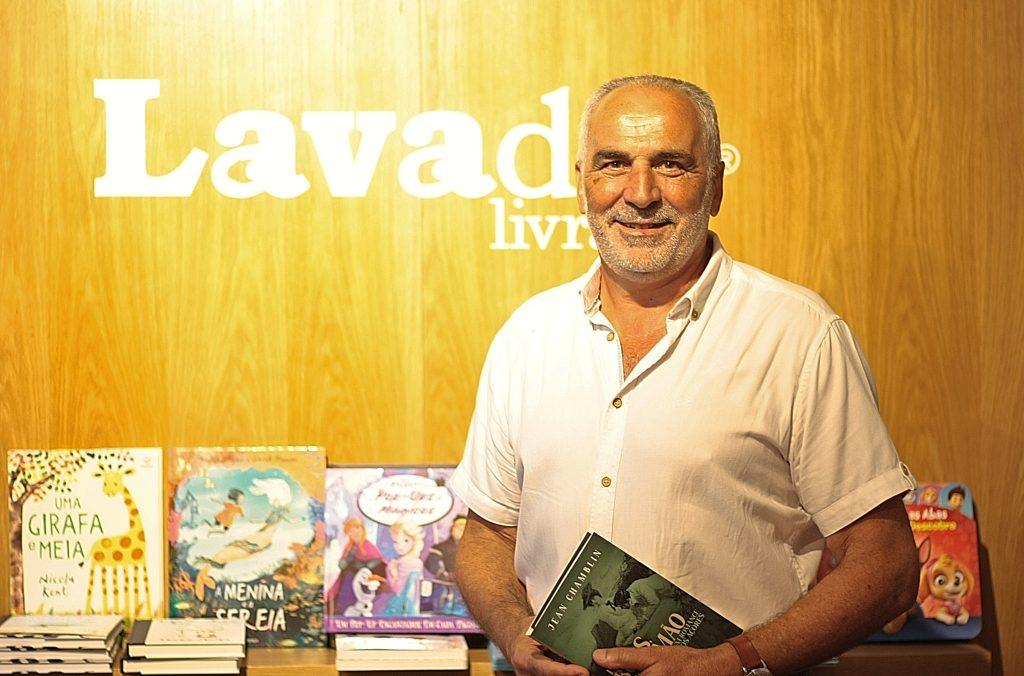
Founder of Nova Gráfica, a company with 150 awards for graphic quality, talks about the present and the future on the fifth anniversary of Letras Lavadas, the publishing house he founded and is committed to what is done in the Azores.
He was born in Santa Maria, but it was on the nearby island of São Miguel that he grew up and developed various projects. “Our family lived in a rural area and my parents came looking for a better future,” says José Ernesto Rezendes, 69, partner and founder of the Nova Gráfica printing company. He came to the island at the age of six and had his first job at the age of 11. Years later, “I stayed alone in São Miguel” because “my family all emigrated to the United States and Canada”, he says. At the age of 15, he began his career at Tipografia Insular, where he discovered a taste for and interest in the graphic arts. When he was 22, his career took him to the newspaper Açoriano Oriental, where he worked for five years as a production director. However, as he had always shown an interest in the graphic arts, he looked for another future, and together with three colleagues from the first printing company where he worked, he founded the Nova Gráfica printing company 42 years ago. “I knew we could do different things and we knew that within the space where we were working, these things wouldn’t be possible.”
At that time, there were 18 printing companies in São Miguel, now “there must be seven or eight”, says José Ernesto, comparing this change to the change of times. “Everything has evolved, paper is becoming more and more scarce and this is causing printers to start disappearing,” he says.
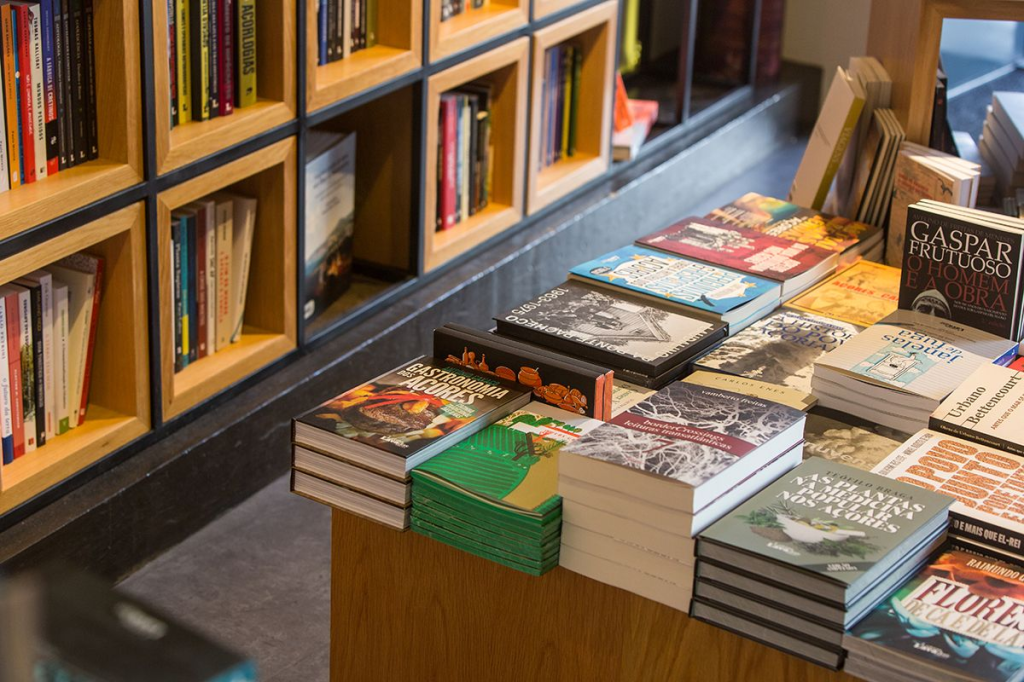
One of his biggest projects is called Letras Lavadas. The bookshop came about because 17 years ago, Nova Gráfica took over the publishing house and advertising agency Publiçor, Lda. and the publishing house became part of Publiçor, Lda. “We tried to turn the agency into a publishing house because that’s what we know how to do, produce books and put books on the market,” he added. Experience gradually increased over the years and “there came a time when being just publishers wasn’t enough,” he continues. For this reason, it was decided to create a “downtown bookstore”, mainly “outside shopping centers”.
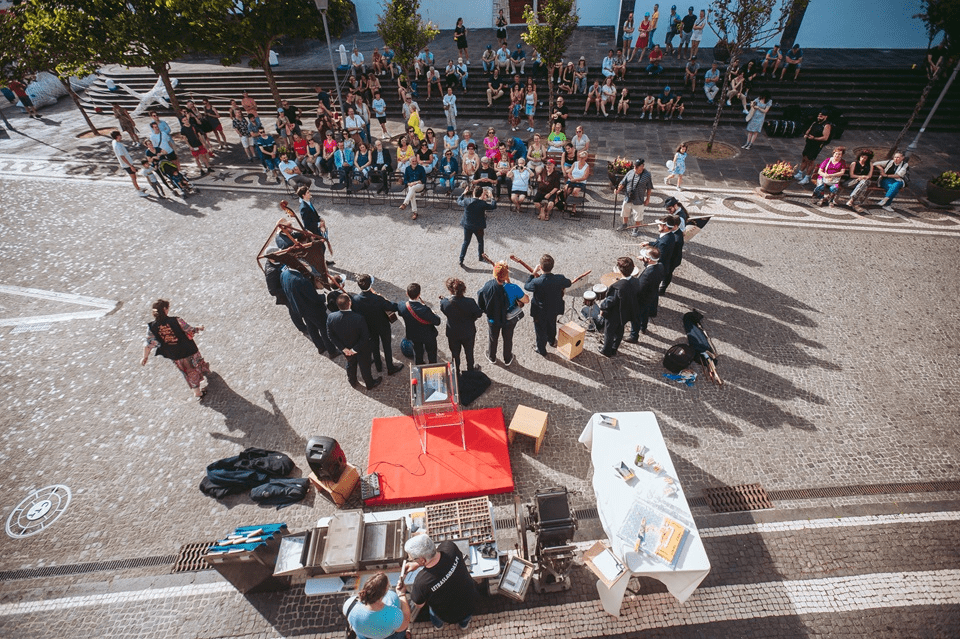
Open since 2019, last month it celebrated its fifth anniversary with festivities attended by employees, authors, and readers.
The publisher’s main editorial policy is to produce books by people who write about the Azores. “At the moment, we should be the publishing house in the Azores with the largest number of books about the Azores,” says the founder.
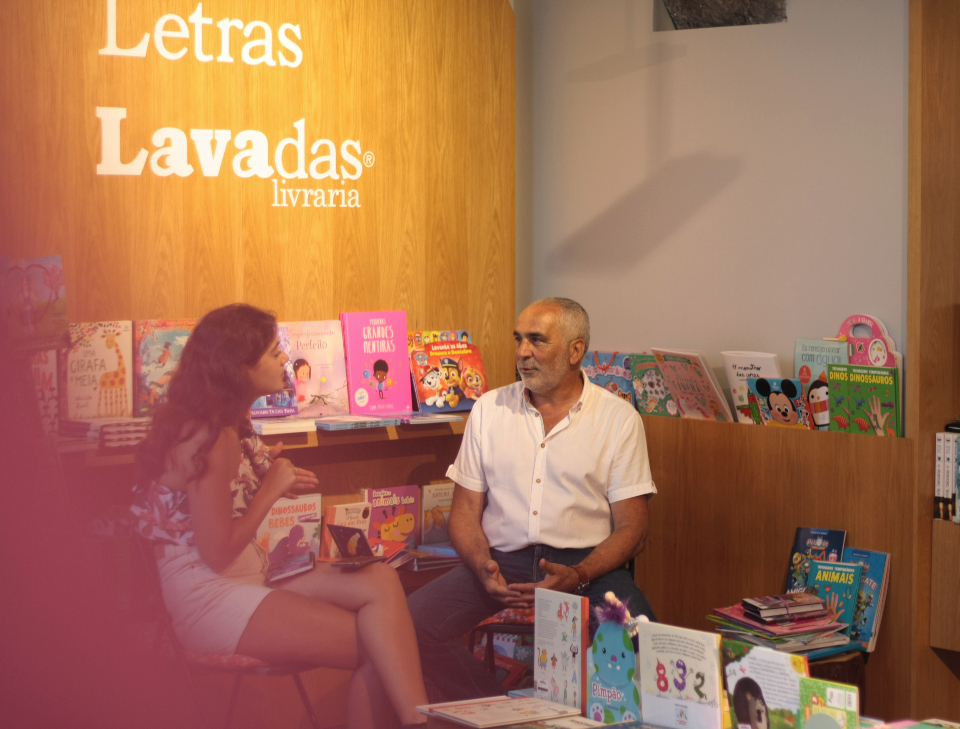
From the interviewee’s point of view, the books that are sold most in the bookstore are children’s books. For José Rezendes, books today work in two ways: “for reading, for people who need to read, learn and evolve” and also “as decorative objects and gifts”. As publishers and book promoters, “we try to make books more and more beautiful and attractive” through graphic design or the raw materials used in the book so that “people feel that book is worth buying”.
In the entrepreneur’s opinion, book reading is declining and he believes that governmental departments and other institutions could do more to encourage and promote reading.
“A small bookstore in a small environment can hardly survive just by selling books,” says José Ernesto Rezendes, noting that either the bookstore associates itself with a large company, as is the case with Letras Lavadas, or else, on its own, “it won’t succeed,” he says. Currently, e-books are being used more and more, but for the entrepreneur, those who read through these electronic books “will get tired” and there are people who “have already gone back to paper books”.
In the world of books and graphic arts, certain difficulties are difficult to combat. For example, the interviewee said that the raw materials that come from countries like France or Germany take longer to reach the archipelago compared to the mainland and that the transportation used is by sea because air transportation is very difficult and expensive. Inter-island transportation is also complicated by the fact that goods are sent from São Miguel to other islands only once a week, except for Santa Maria, which is twice.
Over the years, Nova Gráfica has won 150 graphic quality awards and was the first company in the Azores to be certified in production quality management.
For the interviewee, the future is uncertain, but we need to think about it. “The future is about adapting to what’s coming”, helping to broaden “our mission and our horizons”, says the businessman, guaranteeing that he knows the path he wants and must follow.
He owes everything he knows to life’s opportunities and to the people who have come his way. He tells readers to “keep reading”, pointing out that you can find in books what you can’t find in everyday life.
“We, in the printing industry, are not better than others, but we are sure that we are equal to those who do it well,” concluded Ernesto Rezendes, confessing that he is happy and fulfilled with his work and with what he has achieved in almost seven decades of life.
By journalist Catarina Teixeira in Diário da lagoa, Clife Botelho, editor-in-chief. Translated by Diniz Borges
Editor’s note: For full transparency, Bruma Publications is a partner with Letras Lavadas and Nova Gráfica. During the last 2 years together we have published 13 books and we are working on three others for this year. This partnership has allowed both Letras Lavadas and Bruma Publications the possibility of bringing to the Azorean Diaspora and American readers the work of Azorean authors in translations. We are thankful to José Ernesto Reezends and his amazing crew at both the printing house and the bookstore for their tremendous dedication.
We thank the Luso-American Education Foundation for its support of various PBBI projects, including FILAMENTOS.

 Filamentos (artes e letras)