
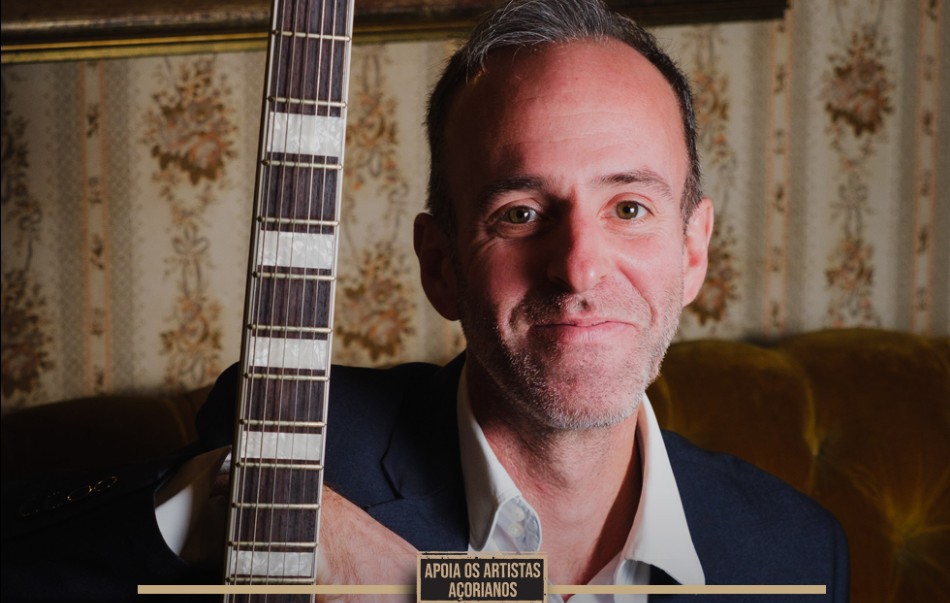
Within the framework of the third edition of the survey on residents’ perceptions of tourism development in the region, 67.1% of respondents say that one of tourism’s impacts is the increase in cultural events. Do you share this perception? I do. I’ve noticed that bars, even on weekdays when there are concerts, are quite full—mostly with tourists. There’s a clear shift in the rhythm of cultural life, and you can feel it in the rooms where music happens.
79.9% of respondents say tourism creates jobs for residents. Does this effect extend to the artistic community? I believe so. There are more concerts now, even during the week, as I mentioned—both in bars and in hotels. It opens spaces, even if modest ones, where music can exist more frequently, where artists can find a stage.
74.7% say tourism growth has increased the cost of accessing cultural and natural attractions. Are we “touristifying” culture without considering local access? If prices in general have gone up, then naturally access to cultural and natural attractions has risen as well. But the truth is, locals don’t have the same purchasing power as tourists. And that creates a quiet imbalance—one that isn’t always immediately visible, but is deeply felt.
What kinds of support are being given to local artists, especially younger and alternative ones? From what I know, cultural organizers are required to include a certain percentage of local artists in their events—festivals, for instance. Speaking from my own experience, I’ve been fortunate to perform on many stages. That said, breaking into the scene is never easy. The important thing is not to give up—to keep showing up, to keep playing.
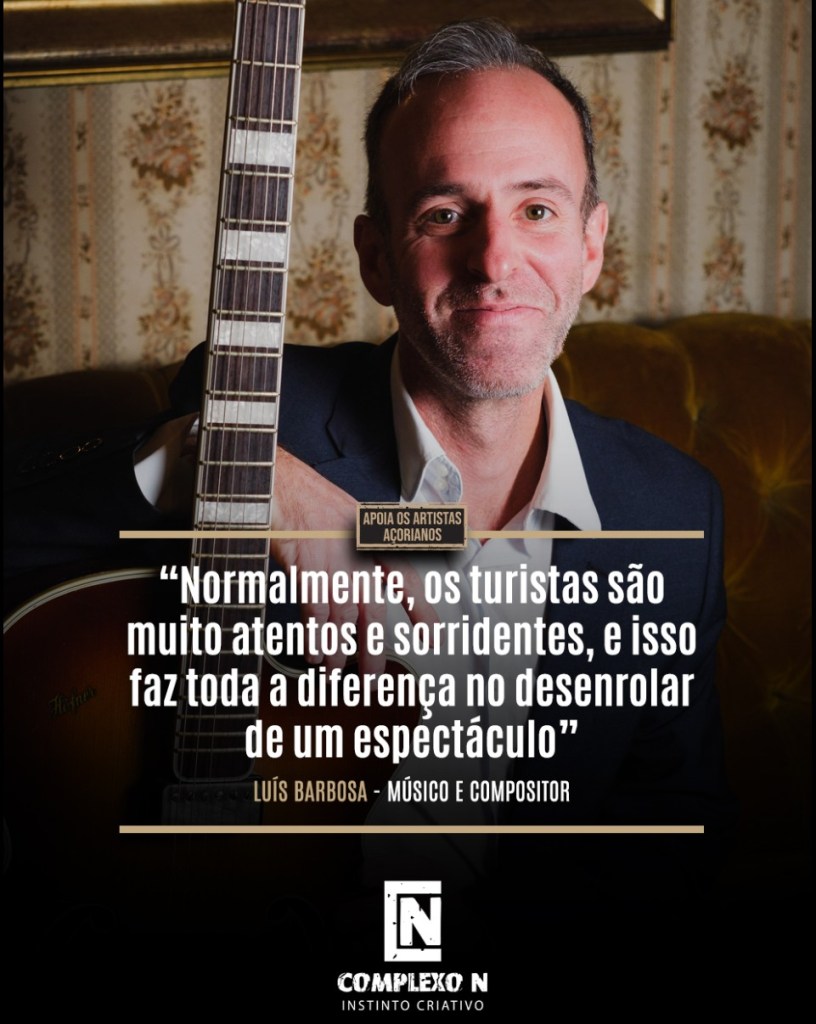
What kind of relationship do tourists and Azoreans establish with local culture? I think it’s a relationship of engagement—of shared presence. Tourists are usually very attentive, very open, often smiling. And that changes everything in a performance. It creates a different kind of energy, a responsiveness that travels back to the stage.
Does poverty influence how Azoreans relate to culture? Festivals, from what I see, are usually well attended. But in bars, there seems to be less interest among younger audiences. That generation appears more drawn to DJs or other musical styles. Of course, there’s nothing wrong with that—it’s simply a shift in taste, in cultural gravity.
In an era of intensified and often polarized ideas, does alternative art gain importance? Absolutely. Today it’s much more accessible to record music at home without depending on a label. It’s more affordable, more independent. Personally, I enjoy recording at home—I like not having to rely on anyone. There’s a kind of creative autonomy in that, a quiet freedom.
How might the reduction of low-cost flights affect local cultural dynamics? It may lead to a decline in cultural attendance, but we’re also just coming out of the low season. We’ll have to see how it unfolds. Who am I to say, really?
Photo: Hugo França
You can read the interview in Portuguese at: https://www.facebook.com/complexon.instintocriativo
 Filamentos (artes e letras)