
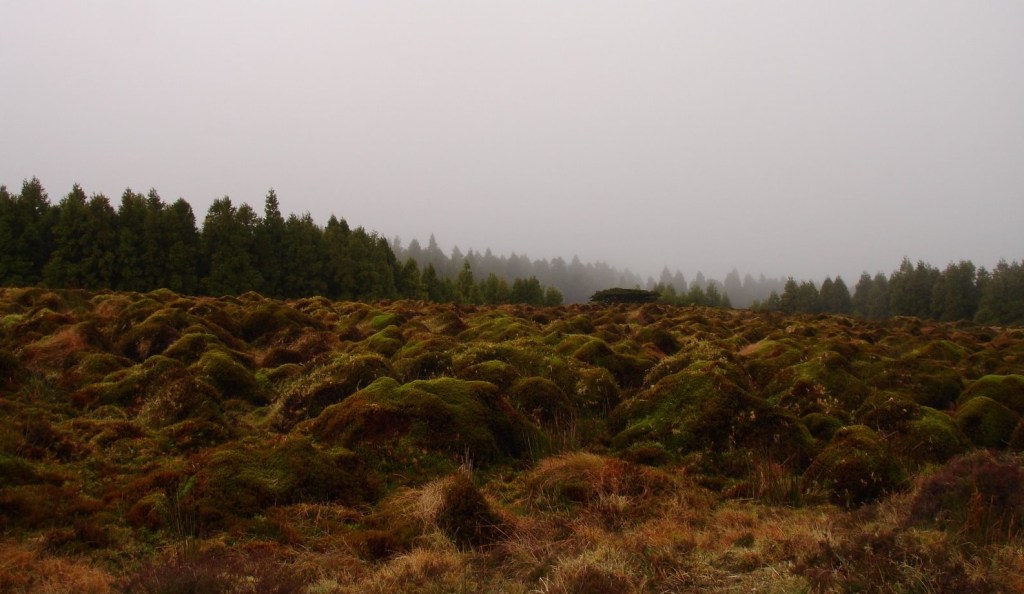
Pico da Vara is the highest point on the island of São Miguel, rising to about 1,100 meters in altitude. It is located in the municipality of Nordeste, although the municipality of Povoação also lays claim to it as part of its natural heritage.
Access can be made either from Nordeste (Achada, Algarvia, Fazenda, and Santo António) or from Povoação.
The trail is difficult and, in some sections, even dangerous—especially in winter or during rainy conditions. It is always recommended to go with a guide and never attempt the ascent alone, under any circumstances. For example, if starting from Povoação, the route is 15.2 km long and takes about 5 hours.
Starting from Graminhais (at the top of Achada, in Nordeste), a steady walk takes about 2 hours and 30 minutes to reach the summit—even with frequent stops to admire the natural beauty.
Near Pico da Vara, on the Graminhais plateau, there is a magnificent peat bog where the few resident snipes of São Miguel live and breed (a protected area where hunting is prohibited, and rightly so). On the opposite side lies the Tronqueira of Nordeste, home to the priolo (Azores bullfinch), a bird found only on the island of São Miguel, specifically in the municipalities of Povoação and Nordeste.
The entire Pico da Vara area is marked by extraordinarily rich endemic vegetation and flora, with notable populations of goldcrests and chaffinches, as well as wild rabbits. As for the views, on clear days, they are simply spectacular.
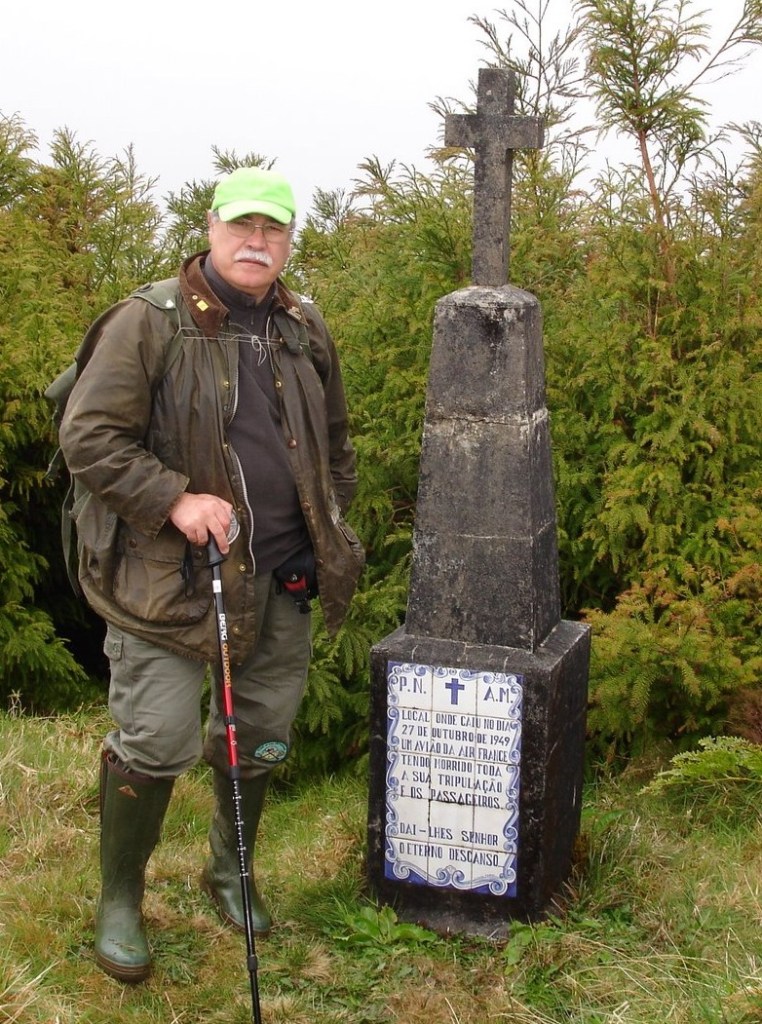
Along the trail, hikers encounter two memorial markers commemorating aviation accidents from the last century, both without survivors—one involving an Air France aircraft and the other a Portuguese Air Force plane. These are places of reflection and deep respect for those who lost their lives there.
Among the victims was Marcel Cerdan, the great Algerian-born boxer and world middleweight champion. Shortly before boarding that fateful Air France flight, he had lost his title to Jake LaMotta. He died in the tragic crash on October 27, 1949. Cerdan was an idol in France, and his relationship with the famed singer Edith Piaf inspired historians and writers (Daniel de Sá wrote a brilliant article about Pico da Vara and this story). His death was mourned worldwide, especially in France. The plane was scheduled to stop at Santa Maria Airport, but itnever landed.
Since childhood, I have heard this story and the horrors that followed, which I intentionally omit here. It is with deep emotion that we bow before the marker that commemorates this tragic event.
Moments later, we return to a breathtaking natural environment that must be respected at all costs. It symbolizes the very best of São Miguel and serves as a reminder that this is the only place on the island where vegetation from the earliest days of settlement still exists. At the very least, it demands respect.
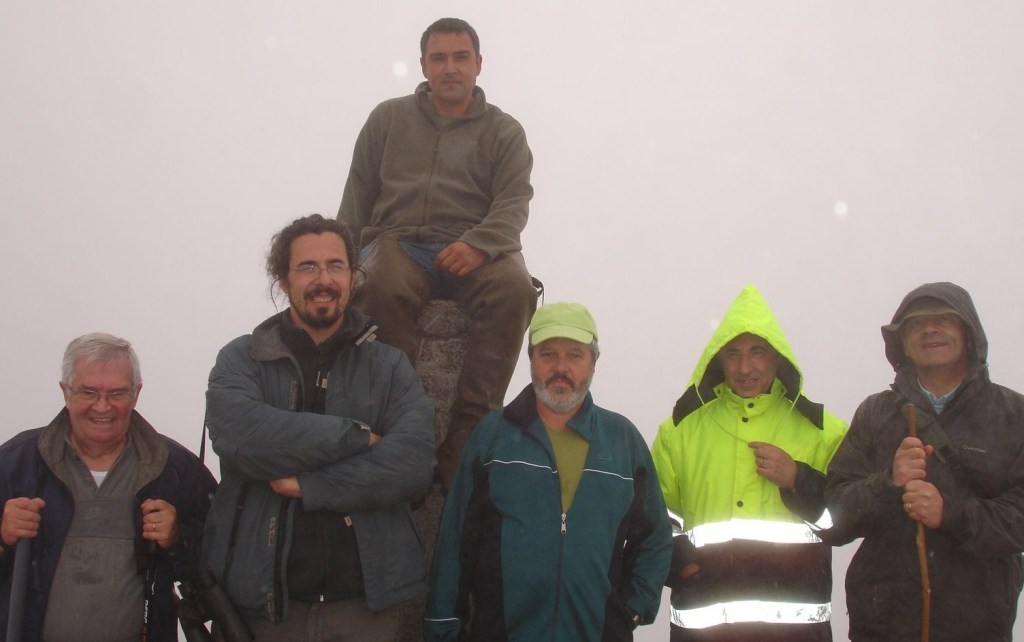
For the record of our lives, it remains noted that on Saturday, March 28, 2009, a group of friends—Octaviano Mota, Gualter Furtado, Joaquim Bensaude, António Serpa, José Raposo, Pedro Fernandes, and Carlos Pereira (guide)—climbed Pico da Vara via Graminhais, adding another link in the chain of nature conservation, which must be a top priority in our islands.
Finally, a word of appreciation to the Achadinha Restaurant, which, even outside normal lunch hours, served us excellent snacks and delicious pork cracklings that were very welcome.
And so passed another day during the closed hunting season—hunting in a different way.
Writing and photos by Gualter Furtado
PS-Next Friday marks 17 years since we made that ascent to Pico da Vara. In the meantime, our friend José Raposo—who was responsible for the transportation sector of the Bensaude Group—has passed away. May he rest in peace.
—GF
 Filamentos (artes e letras)