
TOURISM AND CULTURE IN THE AZORES
Reflections on Its Impact by Those Who Live It and Shape It (Pt. 1)
Long celebrated as an archipelago of quiet enchantments, the Azores stand today among the world’s most compelling—and once overlooked—destinations for those seeking a rare balance of nature, quality of life, culture, and tradition. Despite the social and economic challenges inherent to its ultraperipheral condition, the region has steadily grown in visibility and recognition, attracting not only visitors but also new residents and investment. Yet the rapid expansion of tourism has become one of the central questions in contemporary public debate, revealing tensions over the true extent of its benefits for the well-being of local communities.
According to the latest Survey on Residents’ Perception of Tourism Development in the Region, conducted by the Azores Sustainable Tourism Observatory, an overwhelming majority (90%) view the current trajectory of tourism in positive terms. At nearly the same rate, however, respondents acknowledge that this growth brings inflationary pressure on goods and services and contributes to processes of gentrification.
The survey examined the economic, social, environmental, and cultural impacts of tourism. While respondents appear broadly optimistic, they also express concern about the rising cost of living, escalating land and housing prices, and the subtle disruptions of everyday life—noise, waste, and traffic—now woven into the rhythms of the islands.
Of particular relevance to this publication is the perception of tourism’s cultural impact. Many respondents see it as a force for the enhancement of intangible heritage (68.3%), the preservation and restoration of built heritage (67.8%), and the expansion of cultural programming (67.1%). At the same time, 74.7% note that tourism increases the cost of accessing cultural and natural attractions, while 37.2% and 29.6%, respectively, believe it diminishes the authenticity of local offerings and contributes to a gradual erosion of cultural identity.
This study thus serves as the point of departure for a series of reflections by individuals closely engaged with the cultural life of the Azores—as creators, producers, entrepreneurs, organizers, and educators. The aim is to foster a more sustained and informed conversation about the effects of tourism on Azorean culture, within a sector that now generates over one billion euros in economic activity and accounts for roughly 17% of both regional GDP and employment.
What, then, remains for artists? And what might emerge from the growing interdependence between culture and a sector that has become so central to the local economy? These are the questions that now insist on being asked.
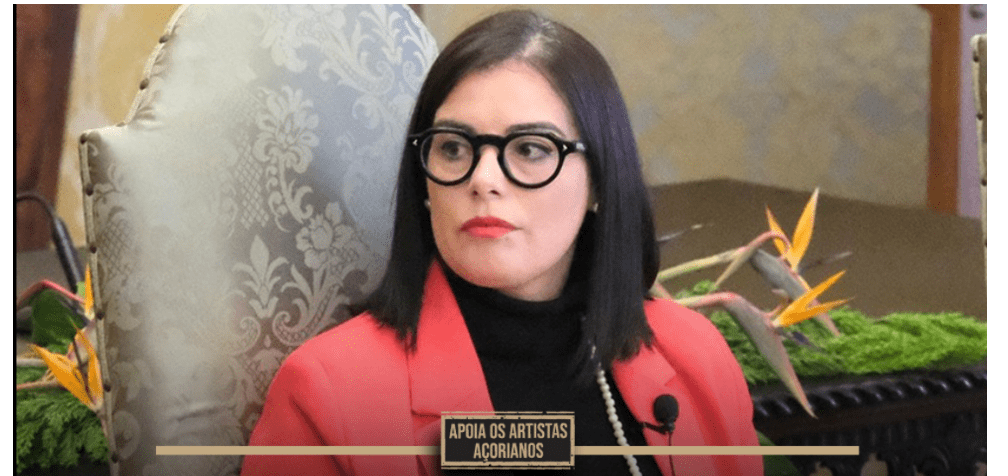
DANIELA SILVEIRA
Founder of Get Art – Regional Association for Cultural Promotion and Management
Executive and Creative Director of the +Jazz and LAVA festivals
Vice-President of the Fiscal Council of MOVA – Movement for Azorean Culture
Three-time nominee for the Women in Music Industry Award
Background in Law, Management, Social Entrepreneurship, and Cultural Production
Within the framework of the third edition of the Survey on Residents’ Perception of Tourism Development in the Region, 67.1% of respondents identified the increase in cultural events as one of tourism’s key impacts. Do you share this perception?
I do—fully. The expansion of cultural programming should be understood as a strategic effort to enhance the Azores as a destination. Nature is a fundamental asset, but when combined with culture, gastronomy, and heritage, it creates a more distinctive and compelling experience. Projects such as the Tremor Festival demonstrate how contemporary events can both promote local identity and attract national and international audiences. Our underwater heritage and museums still hold tremendous untapped potential; investment in modernization, infrastructure, and collections can significantly increase their appeal, generating economic, social, and cultural returns. Culture and tourism must grow together—integrated and sustainable.
Nearly 79.9% of respondents believe tourism creates jobs for local residents. Does this effect extend into the artistic community?
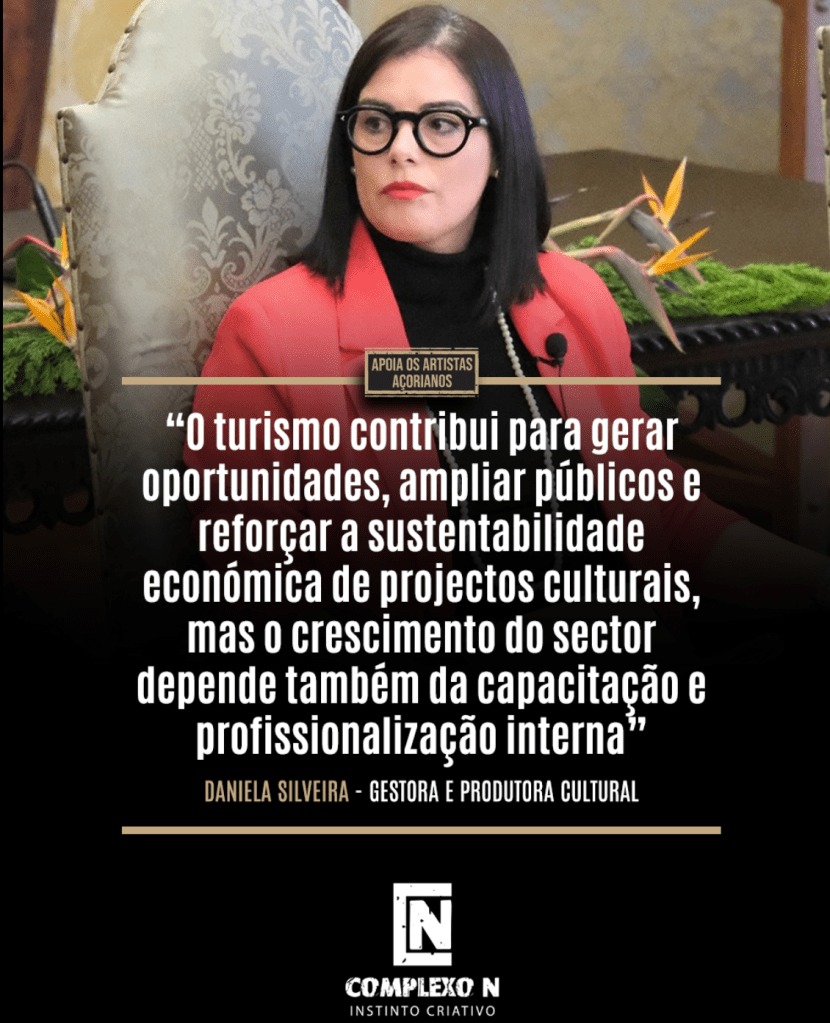
There are no definitive statistics, but from fifteen years of experience in the cultural sector, I can say that it has become increasingly professionalized. Decades ago, much of the activity was amateur, sustained by associations and collectives. Today, we see artists, technicians, and independent producers with a higher level of specialization. Tourism has helped create opportunities, expand audiences, and strengthen the economic sustainability of cultural projects. Still, the sector’s growth depends just as much on internal capacity-building and professional development.
At the same time, 74.7% say tourism has driven up the cost of accessing cultural and natural attractions. Are we, in some way, “touristifying” culture without considering local access?
In part, yes—but with legitimate reasons. Ticketing helps regulate visitor flows and maintain spaces, especially when demand increases sharply. In the Azores, there is a clear effort to ensure that residents retain free or symbolic access, which I consider a balanced approach. It is equally important to develop programming aimed at the local population, particularly during the off-season, encouraging engagement with museums, trails, and beaches, and reinforcing the value and enjoyment of both cultural and natural heritage.
What kind of support has been given to local artists, particularly younger and alternative ones?
From the beginning of my career, I have prioritized creating opportunities for emerging artists, as we did with the +Jazz Festival—encouraging co-creation and innovation. Today, in larger-scale projects, I continue to invest in young artists and local teams, empowering them and integrating them into broader initiatives. The LAVA Festival, directed by a young professional who came through an internship and research process, is a clear example of that commitment. A cultural sector only thrives when everyone grows together; my role is to serve as a bridge—connecting local artists with experiences that strengthen skills, sustainability, and inclusion.
What kind of relationship do tourists and Azoreans establish with local culture?
It depends on the profile. Some tourists seek immersive cultural experiences, while others are drawn primarily to the landscape. Among Azoreans, many are actively involved in associations and community events, though some remain unfamiliar with local museums, libraries, or trails. The challenge lies in bringing people closer to culture—cultivating habits of participation and a deeper appreciation of heritage.
Does poverty influence how Azoreans relate to culture?
Yes, it is a significant factor. For those living at risk of poverty, culture is rarely an immediate priority. The Azores face numerous indicators of structural underdevelopment, which limit access to education, employment, and cultural services. Inclusive programs, symbolic pricing, and educational initiatives are essential to bringing culture within reach of more vulnerable communities.
In an era marked by polarized and extreme ideas, does alternative art gain importance?
Absolutely. Independent and alternative art plays a vital role in fostering dialogue, reflection, and social cohesion. Culture should not serve political ideologies; rather, it should cultivate empathy, respect, and peaceful coexistence. Independent projects give voice to diverse perspectives and help build a more critical and resilient society.
How might the reduction of low-cost flights affect the local cultural dynamic?
A decrease in flight availability limits the flow of tourists and audiences for cultural events, which in turn affects artists and emerging projects. It also reduces the internal mobility of residents, restricting cultural exchange. Strategic programming and adaptable formats will be essential to navigating lower attendance while ensuring that culture remains accessible and sustainable.
Share this article. Support Azorean artists.
Photo: Courtesy of the author
We thank Nuno Costa for allowing us to translate these stories and bring them to our audience.
You can read it in Portuguese on Facebook.
https://www.facebook.com/complexon.instintocriativo
 Filamentos (artes e letras)