What prompted Art’FADO to invite Marco Rodrigues for this concert at the Teatro Angrense?
Choosing Marco Rodrigues reflects a deliberate effort to continue shaping the identity of the Art’FADO project. Over time, the group has increasingly gravitated toward larger productions staged in formal concert halls—spaces where lighting, acoustics, and atmosphere allow for a deeper level of musical precision and interpretation. These conditions make it possible to present fado with the artistic rigor it deserves, whether in its modern or traditional forms.
Bringing Marco Rodrigues into the project elevates that vision even further. For the group, it represents a rare and long-standing aspiration: sharing the stage with an artist who enjoys national and international recognition while performing arrangements crafted by Art’FADO itself. Rodrigues is a singer deeply rooted in the fado tradition, yet he has consistently demonstrated an openness to new musical languages. That makes the collaboration particularly meaningful, bringing together two complementary perspectives—the group’s desire to reinterpret the genre and the fadista’s own path as a versatile and respected performer. Organizing a concert of this scale is both a challenge and a powerful source of motivation for the ensemble.
How will the performance blend traditional fado with contemporary sounds?
The concert begins with fado as its aesthetic foundation, but expands beyond it through adaptations from other musical styles and modern arrangements. Vocal interplay and layered harmonies help refresh the language of fado while preserving its emotional core.
An especially distinctive element of the program is the participation of the Filarmónica Rainha Santa Isabel of Doze Ribeiras, whose presence adds a broader, more cinematic sound to the performance. In many ways, the concert is also a tribute to the dedication and work of that institution, which has made projects like this possible. Art’FADO has collaborated with the band before, but this particular event stands out as something unique. It offers an opportunity to elevate the orchestra’s sound to the level it deserves while enriching the concert with new musical textures. Much of that richness also stems from the remarkable work of conductor André Nunes and composer Gualter Silva.
What new elements can audiences expect from this collaboration?
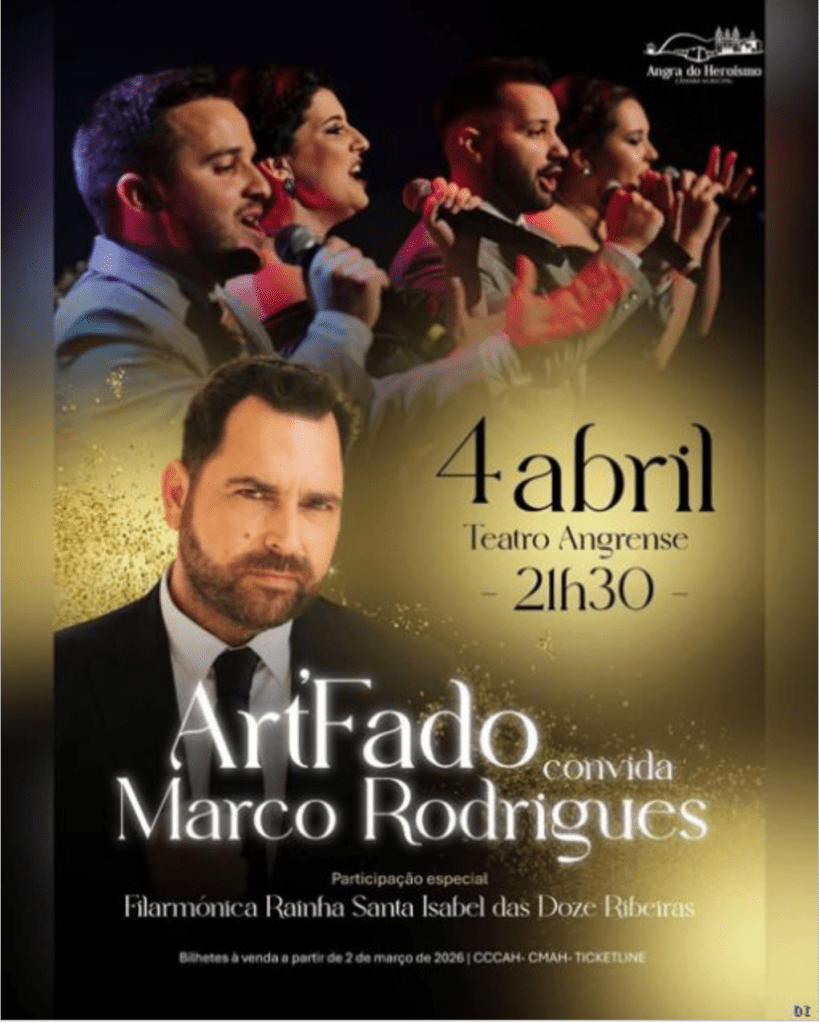
Audiences can expect several premieres: joint interpretations between the group and Marco Rodrigues that have never been performed before, newly written arrangements designed specifically for this partnership, and a refreshed visual concept that includes new stage attire. The performance aims to present fado not only as music but as a carefully crafted artistic experience.
What does it mean to perform on the stage of Teatro Angrense?
Teatro Angrense is one of the most emblematic stages on Terceira Island and a central pillar of Azorean cultural life. For Art’FADO, performing there represents an institutional recognition of the group’s artistic journey. It also reinforces the idea that fado has a meaningful place within the cultural landscape of the island. The theater regularly hosts projects of regional and national significance, and appearing on that stage places the group within that broader cultural conversation.
For Marco Rodrigues, the concert also offers the opportunity to perform in an insular context where audiences have a deep appreciation for music rooted in tradition.
What impact do you hope this artistic fusion will have on how audiences perceive fado today?
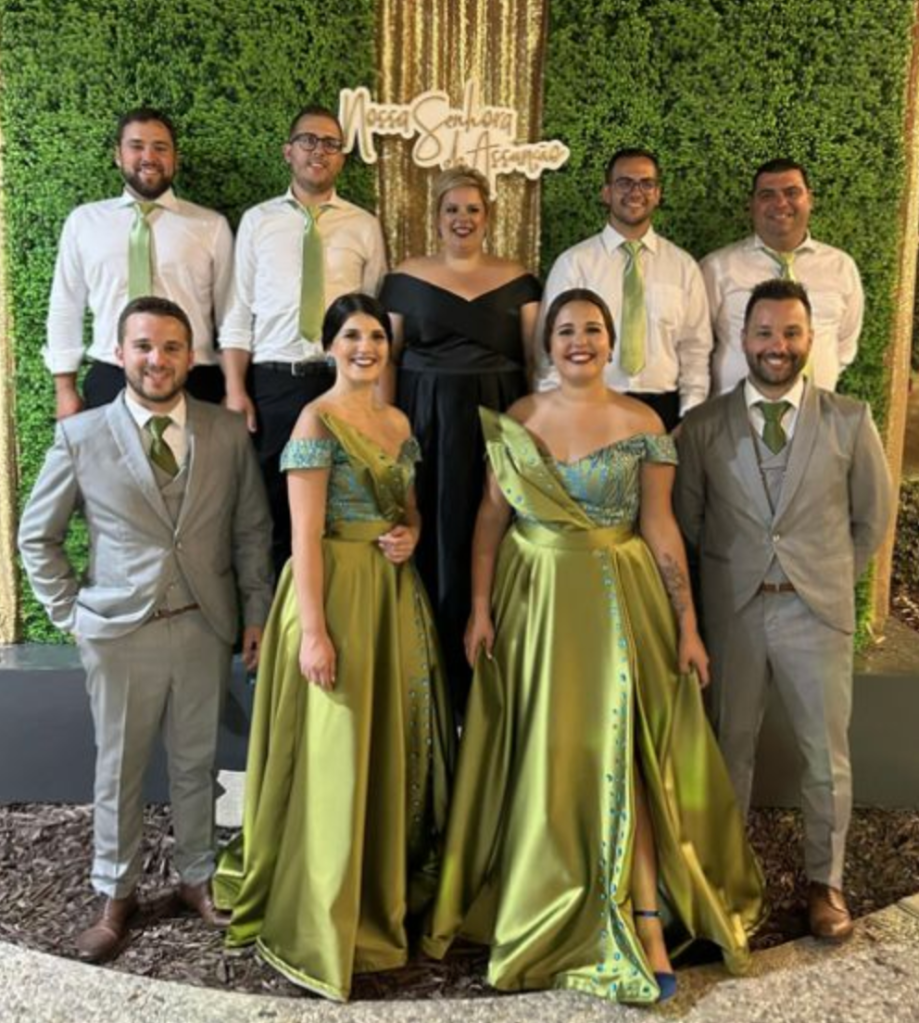
Our hope is that people from Terceira—and audiences more broadly—will recognize fado as something that belongs to them as well. Tradition and innovation should not be seen as opposing forces but as complementary ones. By presenting fado in new ways, we want to encourage local creativity and demonstrate that Terceira can also be a place where the genre evolves. The island’s musicians and artistic voices deserve to share the stage with some of the most recognized names in Portuguese music.
What does the future hold for the group?
Only God knows for certain. But right now our focus is firmly on this type of concert production. The group intends to invest each year in performances along the lines of this project. Over the years we’ve gone through several phases—at one point we performed more frequently in open-air settings, such as parish festivals and community celebrations, when the group’s availability allowed it.
Today we feel the time has come to focus more on concert halls and carefully designed productions—unique performances that invite innovation and collaboration with different guest artists. There’s no rush. What matters most is continuing to evolve and avoiding the trap of doing “more of the same.”
In Diário Insular, José Lourenço — director.
 Filamentos (artes e letras)