
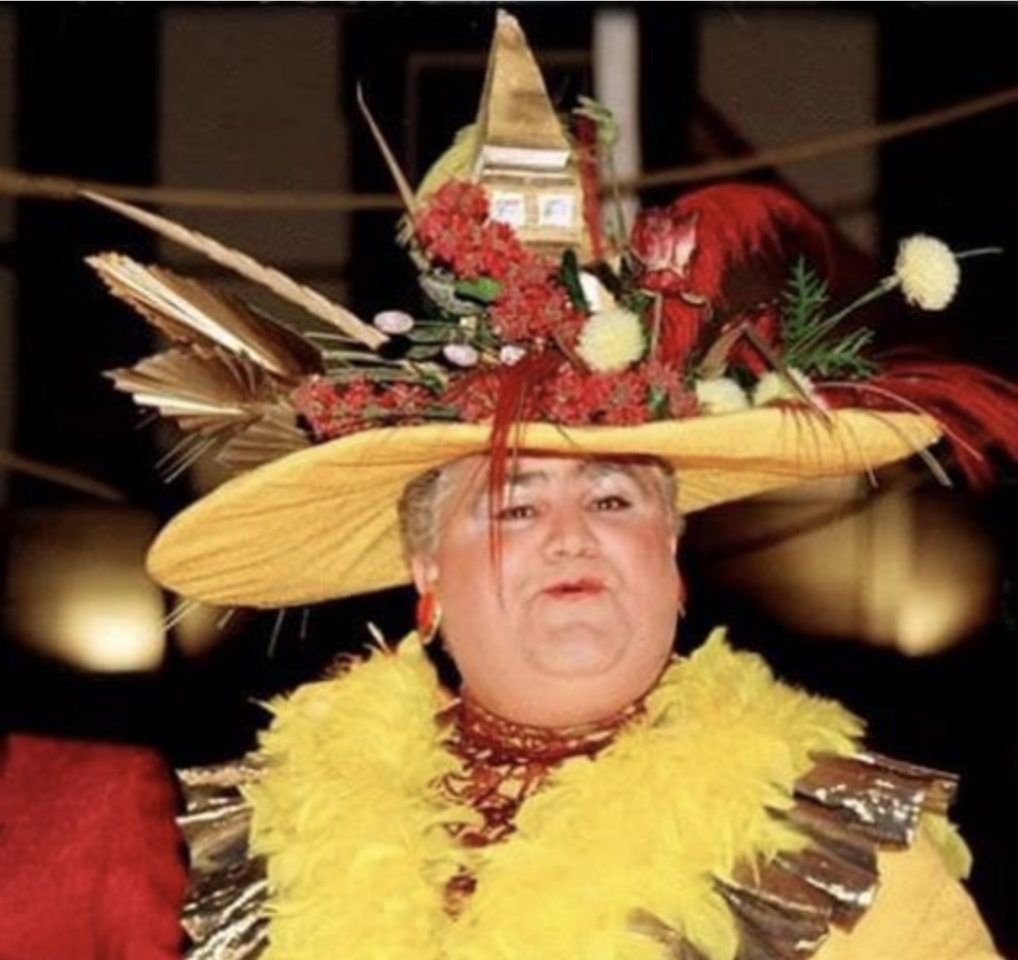
“Carnival Has Always Evolved — For the Better.”
This year you won’t be taking the stage during Carnival. What will it be like watching the danças and bailinhos from the audience?
It will be a return to something I experienced a few years ago. I’ll certainly be paying close attention to new trends, different musical arrangements, new writing styles, and other ways people are enjoying Carnaval. I also feel it may be time to ease the annual pressure of being onstage as if it were an obligation. I’ll be honest — age brings certain physical and mental limits. That’s not yet my personal situation, but I’m preparing myself for the day when it will be.
Even though you won’t be performing in a bailinho, you’ve continued writing storylines. How many did you write this year, and what inspired them? Was it a year rich in news that lent itself to satire?
Not performing doesn’t mean stepping away from writing. I’ve been writing enredos for bailinhos and danças since I was sixteen, both here on the island and for groups in the diaspora. In three years, I’ll reach half a century as a Carnival writer, and I hope to continue as long as my mind and inspiration allow.
This year I wrote seven bailinhos and one Dança de Espada, plus two additional works that are set aside. So in total, ten pieces with varied themes. And I expect to continue writing for Easter performances in our communities in the United States and Canada. It was certainly a fertile year for events. For Carnival writers, there was no shortage of material. Like in cooking, we had more than enough ingredients and seasonings to prepare delicious dishes from what I like to call our “Carnaval cuisine.”
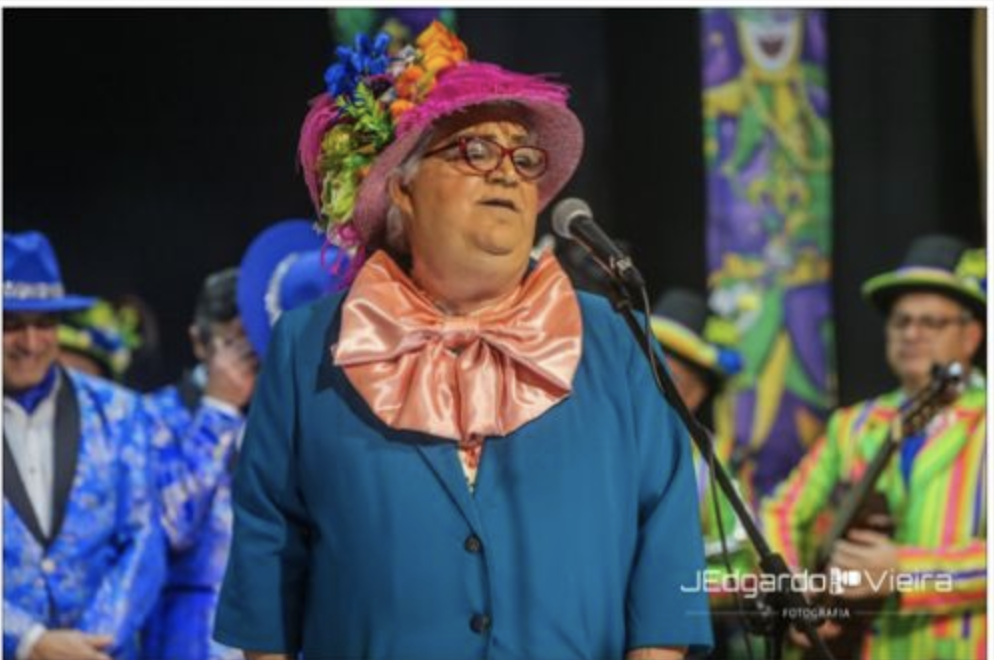
Your work is known for sharp social criticism, something that has faded in some groups. Does the Terceira audience still appreciate comedy that exposes what’s happening around them? What reactions do you get in person or on social media?
Social criticism has always had a prominent place in our Carnival. It was censored and silenced during the years of the dictatorship — what people called the time of the “Old Lady.” But with the arrival of freedom after the Revolution, it was released openly from the mouths of performers.
Our group has always staged critically driven works, and we consistently receive strong and enthusiastic reactions from audiences. They expect something new every year. Even though people already know the political and social events affecting the region and the country, we try to give them a satirical, humorous twist. That way, each theme becomes not just a popular lesson, but almost a perfect snapshot of the state of the Region or the Nation. On social media, at least in my case, the feedback has been positive and very gratifying.
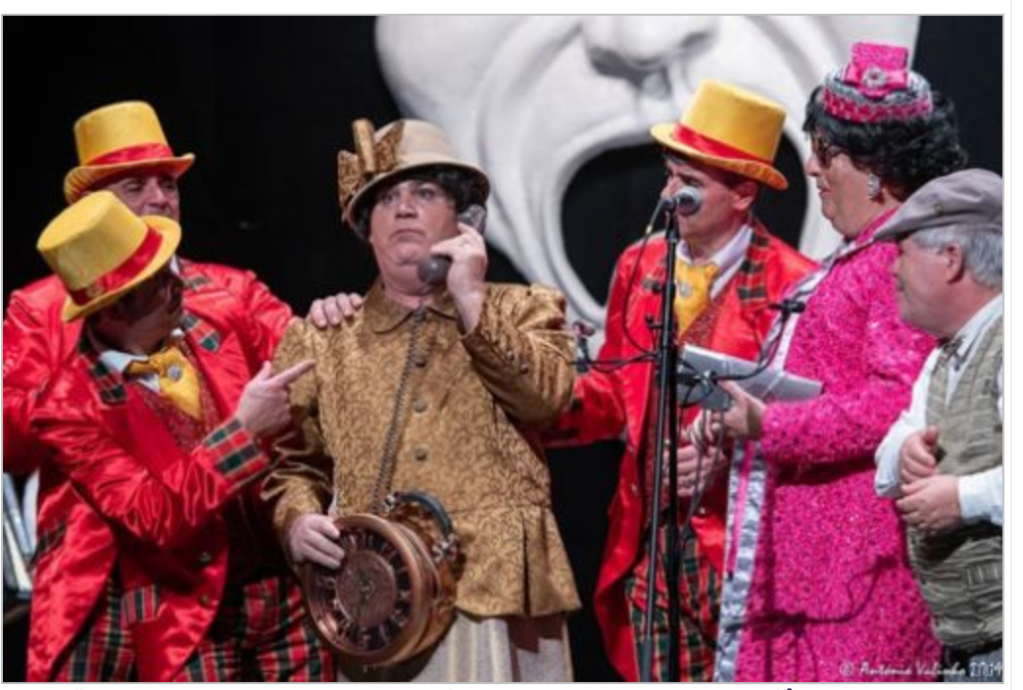
You recently suggested that one day Carnaval storylines could be written by artificial intelligence. Were you serious, or was that just a Carnaval joke? And could that lower the bar for quality?
I was serious — and I’ll repeat it as long as AI continues advancing the way it has. It’s possible. A friend of mine, Ricardo Martins — who is also an actor and Carnaval writer — and I tested it. And the thing worked, almost perfectly. With a few adjustments by the performers, the storyline could succeed.
Of course there’s some risk. But we have to be prepared for new trends and for the development of different generations who dedicate themselves to this century-old expression of popular culture.
You now have 55 years of Carnival behind you. How do you assess the evolution of the danças and bailinhos?
Terceira’s Carnaval is likely approaching its century. I’d say it’s no less than that — and if it’s more, it wouldn’t exceed ten additional years. Popular history credits Francisco Luís de Melo, known as Chico Roico, as the father of the first danças in the 1920s.
From that first year, Carnaval has always evolved — for the better. Let that be recorded. The greatest leap forward undoubtedly came after April 25, 1974, when freedom allowed performers to express themselves openly.
There is still much to be done to preserve this unmatched cultural heritage. But I believe the new generations will carry it forward with the same dignity and sincerity as the pioneers. Carnaval on Terceira’s stages has evolved tremendously. But audiences have evolved as well. Together — performers and spectators — they define what Terceira’s Carnival has become today.
Happy Carnival to all.
In Diário Insular-José Lourenço, director
Translated into English as a community outreach program by the Portuguese Beyond Borders Institute (PBBI) and the Modern and Classical Languages and Literatures Department (MCLL), in collaboration with Bruma Publication and ADMA (Azores-Diaspora Media Alliance) at California State University, Fresno. PBBI thanks Luso Financial for sponsoring NOVIDADES.


 Filamentos (artes e letras)