
A Bilingual Tribute to the Poetry of Alfred Lewis (1902–1977)
Uma Homenagem Bilingue à Poesia de Alfred Lewis (1902–1977)

FOLHAS
30-XI-73
Quando Novembro vem
As folhas misturadas com o vento
Caem irresolutas pelos campos
Aqui, ali, na praça, cemitério
Em fofos montes num canto do adro.
São como búzios de papel,
Arrebatados pelo mar uivante
De rocha em rocha, esqueletos sem carne
`A espera das chuvas do inverno,
Que ao cair vão adubar as terras
Já macias agora, preparadas
Para plantar batatas e centeio
E assim, uma vez mais, nos dar ajuda
(Um pouquinho que seja!) no conflito
D’angariar o pão de cada dia.
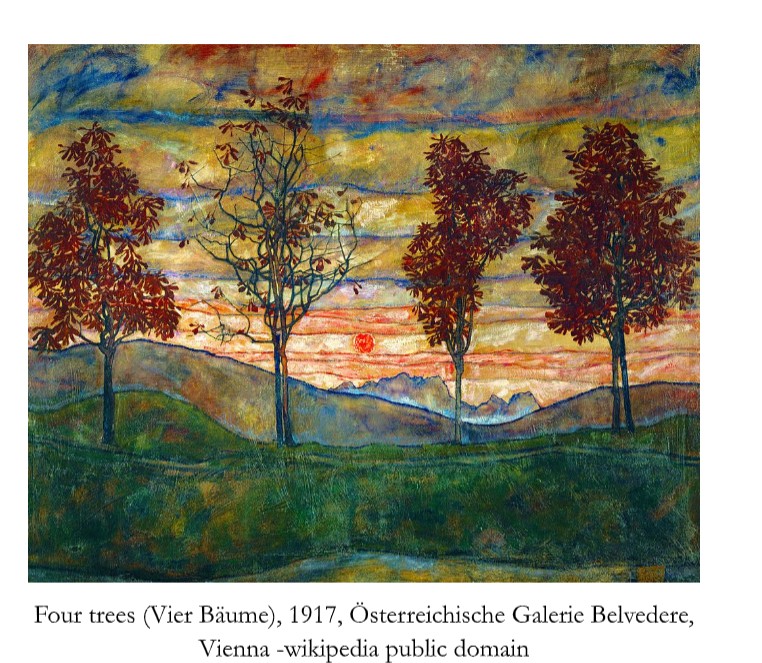
LEAVES
30-XI-73
When November comes,
the leaves, tossed by the wind,
drift across the fields,
here and there, through the square, the cemetery,
in soft mounds at the churchyard’s edge.
Like paper shells,
they are swept away by the howling sea,
tossed from rock to rock, bare, brittle things
waiting for the winter rains.
Which, when they fall, will nourish the soil,
already softened and made ready
for planting potatoes and rye.
And so, once again, the rain lends us help
(a little, to be sure!) in the daily struggle
to gather the bread, each day.
Translated by poet RoseAngelina Baptista
Nota da tradutora:
Alfred Lewis foi um escritor açor-americano pioneiro em amplos sentidos. Como poeta, foi o primeiro a escrever bilíngue e a quem se deve o marco da Ecopoesia luso-americana.
O poema “Folhas”, um dos mais belos que Lewis escreveu, na minha opinião, nos leva a uma viagem pelo Sacramento-San Joaquin River Delta, pois Los Banos está situada no coração deste delta agrícola, um ecossistema vital para os EUA e um meio ambiente altamente sensível às mudanças climáticas atuais.
A primeira estrofe nos faz sentir o início da estação dos ventos no vale de São Joaquim.
A segunda estrofe do poema traz o leitor a Monterey Bay, no Pacific Ocean, CA e cerca de 100 milhas de Los Banos, local onde o poeta costuma se dirigir para ver o mar, provavelmente Pebble Beach ou Lovers Point State Marine Reserve.
O poema foi escrito há 52 anos, exatamente na data de hoje, 30 de novembro de 1973, e podemos relacioná-lo com a breve autobiografia de Lewis publicada em 4 de julho de 1971, onde Lewis menciona que, ao chegar em Merced County, CA em 1922, aos seus dezenove anos de idade, com apenas 75 centavos no bolso, foi trabalhar no dia seguinte como “apanhador de batatas doces, acordando às 6 da manhã, rastejando sobre os campos até o pôr do sol. Depois da ceia, ia dormir num depósito onde as batatas encaixotadas seguiriam para os mercados de Chicago e Nova Iorque”.

Translator’s note:
Alfred Lewis was a pioneering Azorean-American writer in many ways. As a poet, he was the first to write bilingually and is credited with establishing Portuguese-American Ecopoetry.
The poem “Leaves,” one of the most beautiful Lewis wrote, in my opinion, takes us on a journey through the Sacramento-San Joaquin River Delta, as Los Banos is located in the heart of this agricultural delta, a vital ecosystem for the US and an environment highly sensitive to current climate change.
The first stanza makes us feel the beginning of the windy season in the San Joaquin Valley.
The second stanza of the poem takes the reader to Monterey Bay, on the Pacific Ocean, CA, about 100 miles from Los Banos, where the poet often goes to see the sea, probably Pebble Beach or Lovers Point State Marine Reserve.
The poem was written 52 years ago, exactly on this date, November 30, 1973, and we can relate it to Lewis’s brief autobiography published on July 4, 1971, where Lewis mentions that when he arrived in Merced County, CA in 1922, at the age of nineteen, with only 75 cents in his pocket, he went to work the next day as a “sweet potato picker, waking up at 6 a.m., crawling through the fields until sunset. After supper, he would sleep in a warehouse where the boxed potatoes would go to the markets of Chicago and New York.”

From Bruma Publications – Portuguese Beyond Borders Institute at Fresno State
Da Bruma Publications – Portuguese Beyond Borders Institute da Universidade Estadual da Califórnia, Fresno.
Onde o Silêncio Encontra Cor. Where Silence Finds Color.
Filamentos: Onde a Luz se Torna Linguagem e a Memória Casa.
(Filamentos: Where Light Becomes Language and Memory Finds a Home.)
Curated by / Curadoria de:
Diniz Borges & RoseAngelina Baptista
For / Para Filamentos – Bruma Publications – PBBI, Fresno State
Translations by Poet RoseAngelina Baptista
 Filamentos (artes e letras)