

On July 6th, the entire Azorean Literary World was shaken with the death of Álamo Oliveira. For thirty days, we at Filamentos have paid homage to him. We thank all who have participated. Through his writing, Álamo will forever be with us.
No dia 6 de julho, todo o mundo literário açoriano ficou abalado com a morte de Álamm. Através da sua escrita, Álamo estará para sempre connosco.o Oliveira. Durante trinta dias, nós aqui nos Filamentos prestámos-lhe uma simples homenagem. Agradecemos a todos que participaram.
In Memoriam
Álamo de Oliveira (1945–2025)
Poet. Playwright. Novelist. Actor. Islander. Voice of the Azores.
“Tenho uma enorme esperança na redenção da ilha.” — Álamo de Oliveira
The Voice the Island Dreamed Into Being
Some voices rise like mist from the earth—voices that smell of salt and stone, that carry the lullaby of centuries—and when they fall silent, the world does not simply mourn; it echoes.
On 6 July 2025, in Angra do Heroísmo, on the island of Terceira, the Azores lost such a voice. Álamo de Oliveira, born José Henrique Álamo Oliveira, passed at the age of 80. Yet his spirit endures in every wave that meets basalt, in every line etched with longing, in every reader who finds home in his words.
Biography in Silence and Sound
Born in Raminho on 2 May 1945, Álamo’s earliest education was not only in books but in wind, cliff, and the hush between ocean swells. Though he began his studies at the Episcopal Seminary of Angra, the call to write proved louder than doctrine.
He would go on to publish more than forty works—poetry, fiction, essays, and plays—and co-found the Teatro Alpendre, which would become the longest-standing theatrical company in the archipelago.
“I sift the clarity that falls from my eyes…” — Through the Walls of Solitude (2024)
The Island as Metaphor, Literature as Redemption
In his poetry, Álamo wrote with volcanic tenderness. He transformed loneliness into lyric, turned migration into metaphor. In collections like Through the Walls of Solitude, his lines carried the rhythm of sea and memory.
His fiction, notably Já não gosto de chocolates (I No Longer Like Chocolates), explored the bittersweet weight of emigration, capturing the silences of the Azorean diaspora in California, where sweetness loses its flavor across distance and time.
His works have been translated into English, French, Spanish, Italian, Slovenian, Croatian, and Japanese—his voice becoming a lighthouse across oceans.
Theater as Homeland
Álamo was as much a man of the stage as of the page. His plays—Morte que Mataste Lira, Bocas de Mulheres, Enquanto a Roupa Seca—centered on Azorean voices, particularly those of women and the marginalized.
They gave shape to silenced histories. With Teatro Alpendre, he brought Azorean dramaturgy to the diaspora, performing in Turlock, Tulare, Gilroy, San Jose—where émigrés saw their own stories spoken aloud.
As the first Portuguese writer-in-residence at the University of California, Berkeley, Álamo brought island literature into the global academy. He became not only a writer, but a bridge.
“A ilha é uma língua, e o escritor, um tradutor da sua geografia interior.” —
Unpublished interview, Teatro Alpendre Archives
Legacy in Translation and Torchlight
Álamo’s words remain in the curriculum, in libraries, in the quiet of a student’s discovery. His imprint is felt in every translator who dares render island longing into foreign syllables.
He founded Edições Salamandra, nurturing voices that grew in volcanic soil. He received the Insígnia Autonómica de Reconhecimento and was named Comendador da Ordem de Mérito. Yet, his most lasting award is the resonance of his name in living memory.
President José Manuel Bolieiro called him “one of the most authentic voices of the Azorean soul.” And indeed, he was.
Final Acts, Endless Echoes
To remember Álamo de Oliveira is to remember that literature can be home. That even on an island, one can write toward the world.
He taught us that to be Azorean is not just to remember—but to imagine.
Memories…
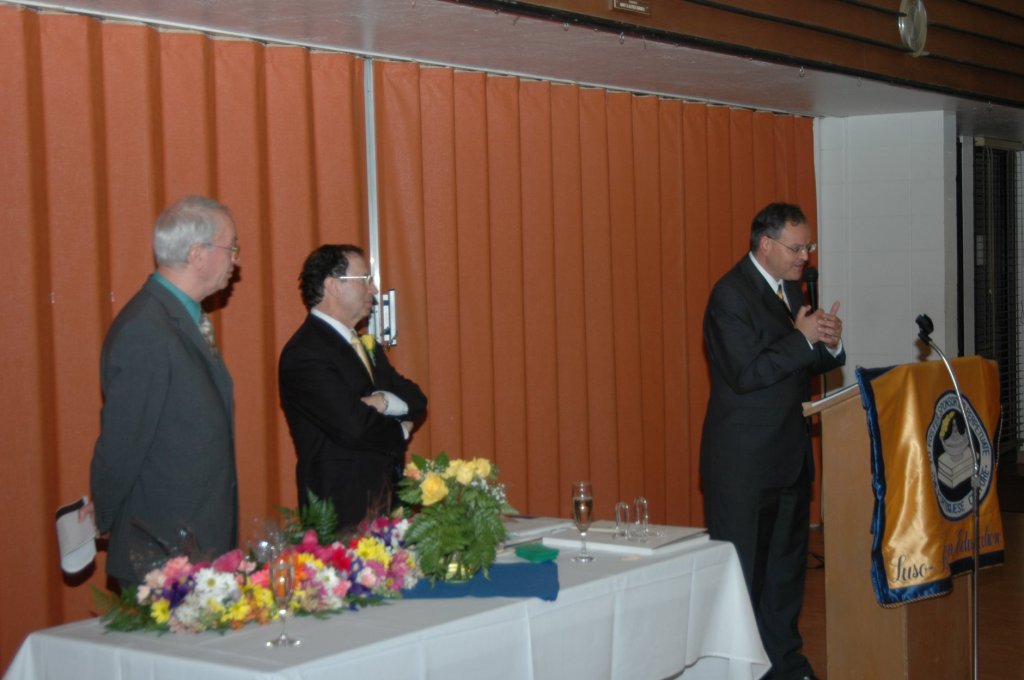
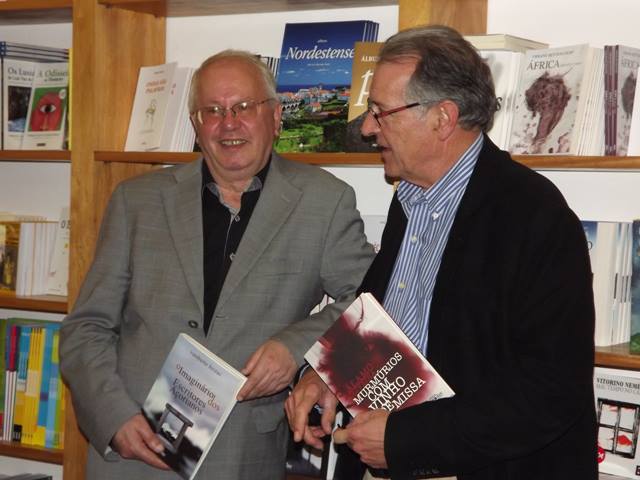
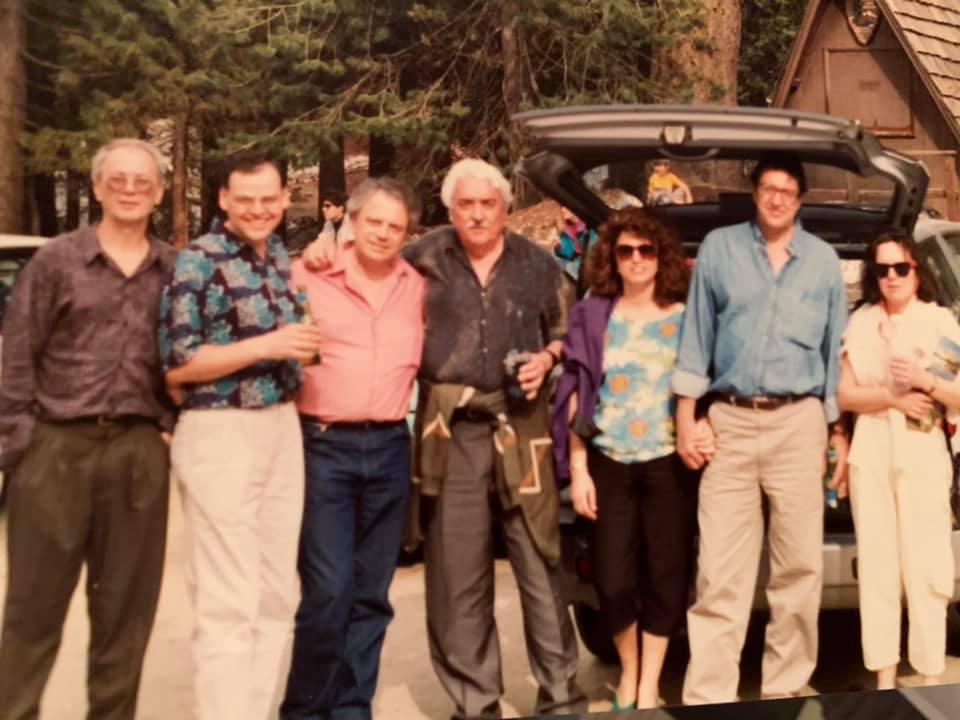
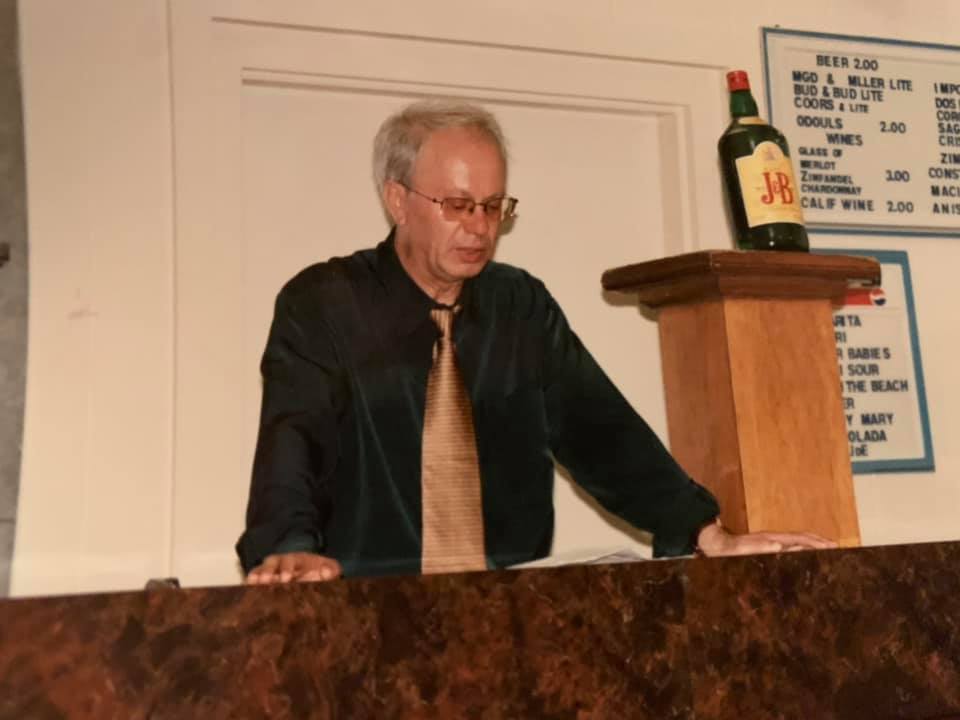





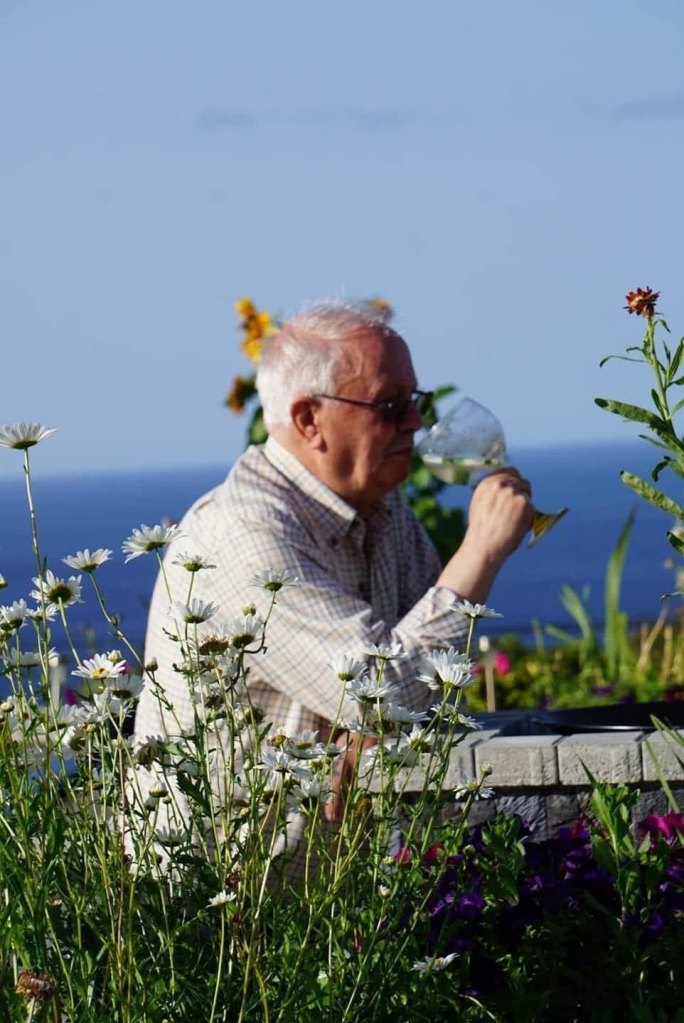

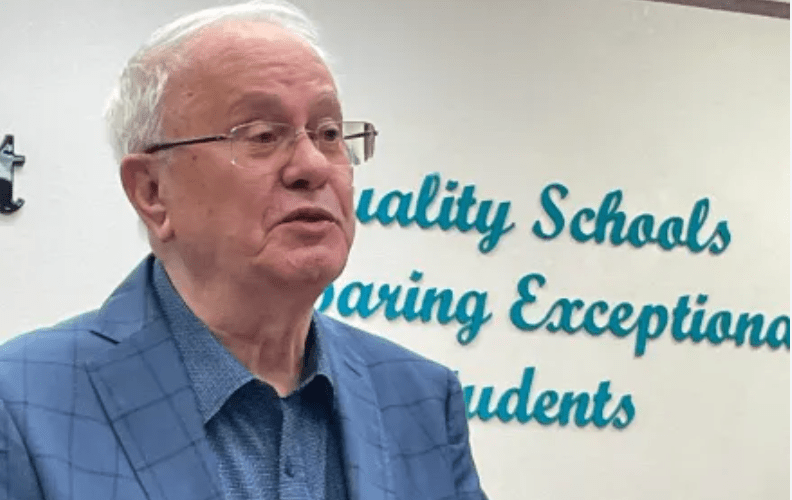
Images and Photos from Filamentos archive, Tribuna Portuguesa, and Rui Melo.
 Filamentos (artes e letras)