
to my father, to the boy I was, and the bridge I learned to become
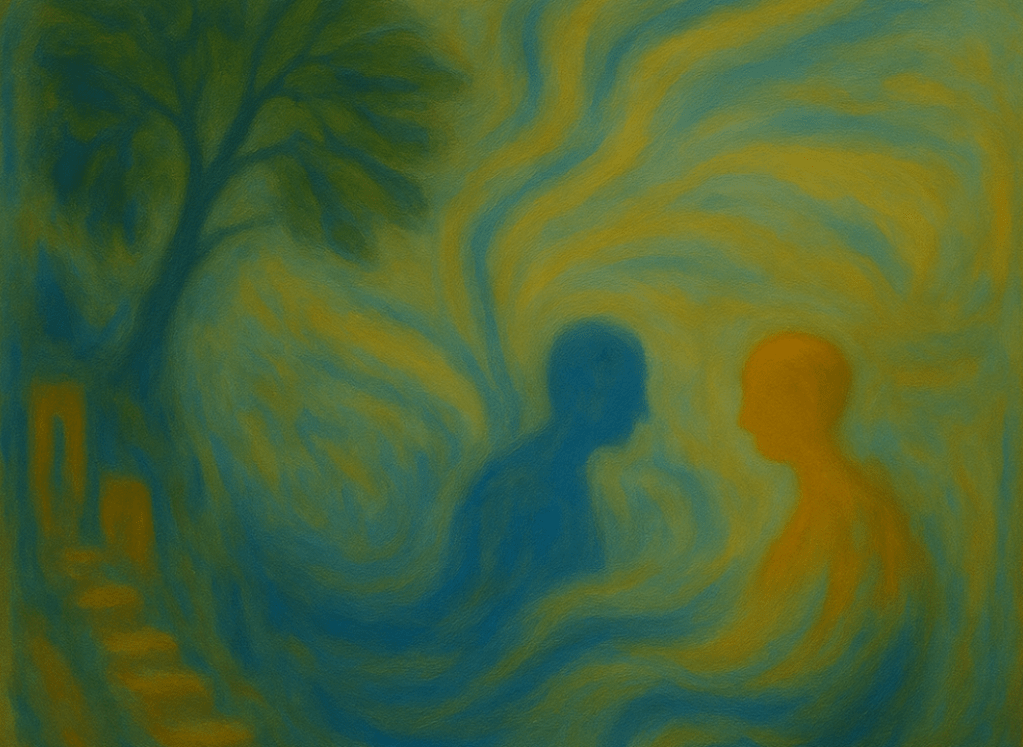
I was ten when I was torn from the island, from the wind that sang through the fig trees, from the splintered steps of the church, still smelling of incense and mildew.
In my pocket: a rosary, from my grandmother, two words of broken English, and the scent of my Avô Manuel’s coat— salt, tobacco, olive oil.
We arrived in the Valley, not knowing what kind of fruit we would become.
The soil was fertile, but the sun burned harshly, and the cows did not know our language.
At school, I watched my name change on the teacher’s tongue. “Diniz” became “Dennis.”
My vowels, soft like bread dough, were slapped flat against the chalkboard.
At home, my mother cooked dreams with linguiça and beans, and my dad sang saudade, not just from the radio, but mostly from the mouth of memory.
We prayed to saints no one else had heard of. I spoke two languages with one uncertain tongue: Portuguese for prayer, shouting, and whispering to cows before dawn, and English for homework, hiding, and answering the roll call like I belonged.
And still, I lived between islands. The real one, where I left my friends in shorts, kicking dust, where festa meant the whole parish feasting. And this other one— a dairy barn at the edge of Tulare, where I learned that silence has weight, and milk never lies.
I watched my father shrink into his boots, his spine folding like a road map, his voice fading into a grunt. He stayed Azorean in the way he worked, in the way he said nunca desistas, never give up— as if quitting were a language he refused to learn.
Me? I grew split. I dreamed in two alphabets. I wrote in one and cried in the other. I was American at school, Azorean at the kitchen table, and nowhere completely in my own skin.
There is beauty in being a bridge. Knowing that carrying two worlds is not a burden but a kind of music. A guitar string pulled taut between yesterday and tomorrow. I did not forget the sea— I carry it still: in the salt etched into my palms, in the hush between syllables when I see my name the way my Avó Leonor said it, each vowel a wave refusing to break.
I am not from one shore. I feel like the tide that touches both. And now I speak not with one tongue or the other, but with the whole wind that shaped them both.
 Filamentos (artes e letras)