
In the most recent edition of the “Olhos nos Livros: Palavras de Costa a Costa” (Eyes on Books: Words from Coast to Coast) talks organized by my friend Diniz Borges and the Portuguese Beyond Borders Institute he runs at California State University, in Fresno, participants included Diniz Borges himself, Professor José Luis Da Silva, in California, and Professor Manuela Marujo, who taught in the Department of Spanish and Portuguese at the University of Toronto between 1985 and 2017 and is currently Associate Professor Emerita.
In addition to the usual and always interesting review of books on the Portuguese emigration experience in North America, particularly in the United States and Canada, this time the participants ended with a reflection on how Portuguese people in Portugal view emigration, which continues to swell the communities of four million Portuguese and Portuguese descendants scattered around the world.
Professor Manuela Marujo, after lamenting the lack of a center for emigration studies in Portugal where researchers and young people studying for master’s and bachelor’s degrees on this subject could consult books and essays published within emigrant communities and find references on the processes of social integration and preservation of Portuguese cultural identity, language, and culture, which these communities have ensured and continue to ensure, in the overwhelming majority of cases without any support from the Portuguese government, she sought to reflect on the reasons for the lack of interest in the study of emigration in Portugal.
Professor Manuela Marujo noted that, at present, all her friends in mainland Portugal have children abroad, one in the Netherlands, another in Italy, and another in Dubai. However, despite the continuing emigration, no one considers themselves an emigrant. And when she was at a university for senior citizens and said, “I’ve been an emigrant for 40 years,” people looked at her “a little uncomfortable” and asked, “You mean, you’re a teacher, aren’t you?” Emigrate and emigrant are words that people don’t want to use. “No one uses the word emigrated.”
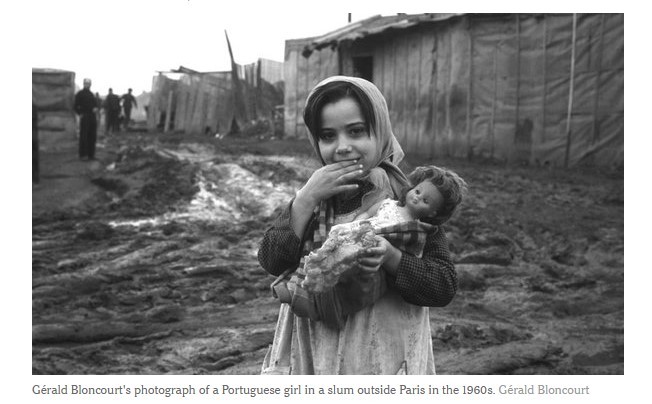
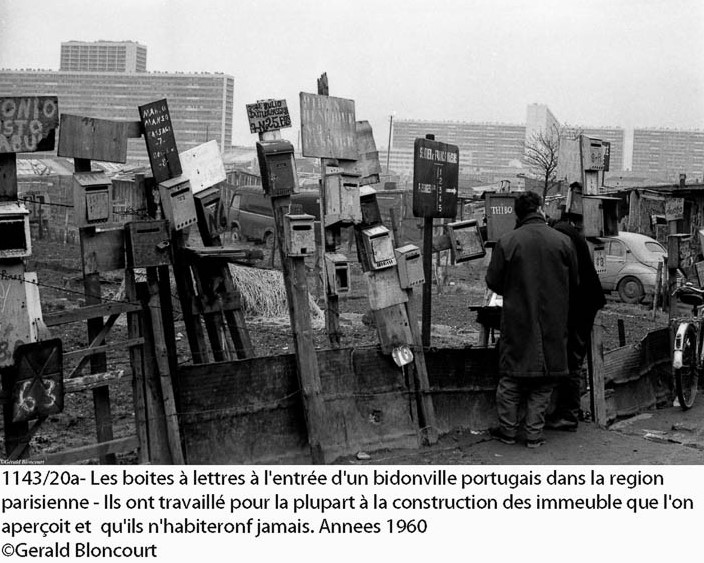
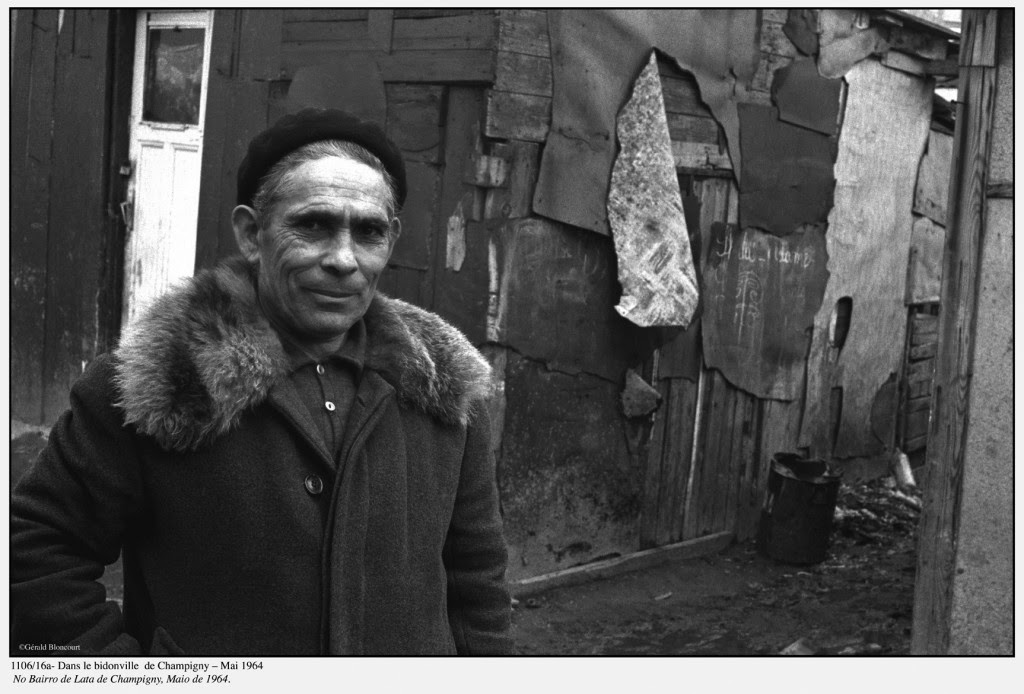
In fact, today, no one who leaves Portugal to work abroad is an immigrant. They are “residents abroad” or “expatriates.” For today’s Portuguese, possibly victims of the “Linda de Suza cardboard suitcase” complex or the degrading living conditions that Gérald Bloncourt so aptly captured with his camera, emigrants were uneducated Portuguese people whom poverty and the Salazar dictatorship pushed out of Portugal; residents abroad or expatriates are Portuguese people who, with the higher levels of education provided by the democratic regime of April, are now looking abroad for the job opportunities and personal and professional fulfillment they cannot find in Portugal.
Or is it, as Professor Manuela Marujo admitted, that the denial of the status of immigrant is an excuse for the way we treat immigrants? By not accepting ourselves as a people with a long history of immigration to other countries, we treat others as if they were different.
Jorge Bettencourt is a retired Commander from the Portuguese Navy
Further reading
https://www.rfi.fr/en/europe/20181212-long-hard-road-portugal-france-migration-history
 Filamentos (artes e letras)