
The Enduring Relevance of Natália Correia: Thirty-Two Years Later
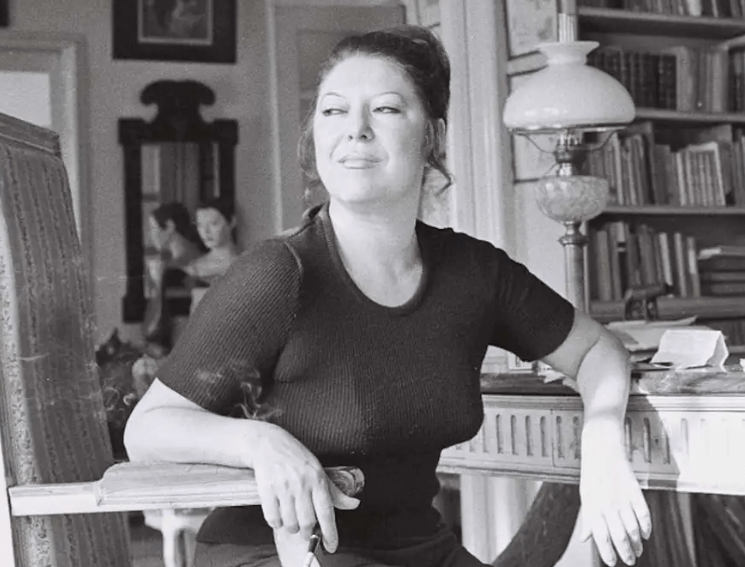
Thirty-two years after she died in 1993, Natália Correia remains one of Portugal’s most compelling literary voices and intellectual figures. A poet, novelist, essayist, and political activist, Correia was a fierce advocate for freedom, creativity, and the preservation of cultural identity. Her writings, which defied authoritarianism and censorship, continue to inspire new generations, particularly in their unwavering defense of human rights, feminism, and artistic expression. By revisiting her works, we recognize her enduring impact on Portuguese literature and thought and her unique role in shaping the country’s democratic consciousness.
Correia’s poetry, often lyrical and provocative, embodies a fusion of surrealist, romantic, and existentialist elements. Her collections, such as O Dilúvio e a Pomba (1979), reflect her commitment to poetic imagination as a means of resistance. She skillfully combined mythological and religious imagery with sharp social critique, crafting verses challenging dogmatism and hypocrisy. Her poetry frequently imbued with eroticism and subversive irony, also positioned her as an advocate for women’s liberation in a society long constrained by conservative values. Unlike many of her contemporaries, Correia viewed poetry as a political weapon and a spiritual force, a synthesis that made her work distinct and revolutionary.
Beyond poetry, Correia’s influence extended to prose and theater, where she continued to question societal norms and political repression. Her novel A Ilha de Circe (1957) is a landmark work, blending fiction with philosophical inquiry, particularly concerning the condition of women in a patriarchal world. Her essays and speeches further solidified her reputation as a leading intellectual, fearlessly confronting the Estado Novo dictatorship and advocating for democratic ideals. Notably, her involvement in Portuguese politics as a member of parliament after the 1974 Revolution reinforced her status as an engaged intellectual who sought to bridge literature and governance.
Natália Correia’s legacy is not merely literary but profoundly political and cultural. She was a key figure in Portugal’s transition to democracy, ensuring that artistic freedom remained central to the nation’s evolving identity. Her role as an editor and publisher also allowed her to champion other writers and safeguard marginalized voices. Today, as discussions on freedom of expression, feminism, and national identity continue to evolve, her works retain their urgency. Correia’s fearless critique of power structures and her lyrical defiance of oppression serves as a reminder that literature remains a potent force for change.
In the decades since her passing, Correia’s writings have not faded into obscurity but have gained new relevance. With renewed interest in Portuguese modernism and the literary voices that shaped contemporary thought, her contributions continue to be studied and celebrated. As readers revisit her poetry and prose, they rediscover an uncompromising visionary whose words still resonate in the struggle for justice, creativity, and human dignity. Thirty-two years later, Natália Correia’s voice remains as vital as ever, a beacon of artistic and intellectual resistance in an ever-changing world.

 Filamentos (artes e letras)