The definition of cultural heritage, as we know it today, has traveled a path that, fortunately, goes far beyond material goods, especially since the Venice Charter (1964) and the Paris Convention (1972), broadening the scope of its action. International policies, legal frameworks, and mechanisms were created to prevent the abuse of heritage, making the notion of its global protection. Over 50 years after the implementation of UNESCO, it is important to value interdisciplinarity as a new way of safeguarding heritage. We should not consider conservation from a material point of view but incorporate societal motivations that promote meaningful action, in other words, action with a purpose.
One of the examples that could be pointed to today, in practically all of Western Europe, is the touristification of buildings classified as monuments of heritage value, which many defend as something positive for the regeneration of public space and, for others, as a total loss of identity, masquerading as a novelty. So, how can we act with purpose? The empirical knowledge offered by the social and human sciences is promoted by fostering dialogue between all the institutions in the field and concentrating on public policies that are available to the collective will.
Heritage is constantly changing because it depends on the interaction between man and place over time, which creates a heritage that expresses the values of a certain community. Rather than serving it, heritage must be seen as part of it, providing sustainable responses from an environmental point of view, social cohesion, and combating economic inequalities.
How can we turn this pre-existence into something new? Something new, not just because it’s new, but because it’s useful. Cultural heritage can be one of the answers to the sustained evolution of a community without forgetting the moment’s political context, the place’s demographics, and the environment (rural or urban). With an emphasis on the environment, I would like to highlight the growth of the creative industries, which regenerated urban centers at the end of the 20th century, bringing various disciplines into communication, which allowed for innovation and a way to develop the sustainability of these places. We are tempted to think of cultural heritage and associate it with a consequence of urbanity, with the center. What if the periphery becomes a centrality, making us wonder what this idea of the center that man has created is all about?
In the Azores, we can applaud some examples of cultural projects—mainly through non-profit associations—that already have this value for renewing and safeguarding their identity. This work has to be integrated and come from public institutions. Only in this way will we move towards being seen—starting with ourselves—as a new centrality.
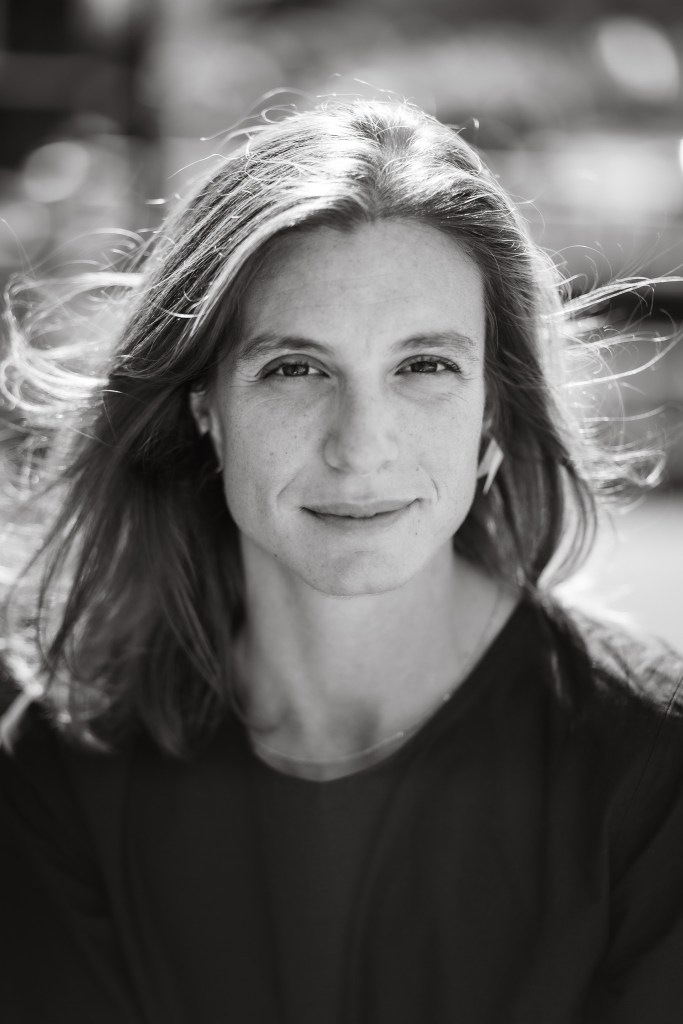
Helena Barros lives on Santa Maria Island in the Azores and collaborates regularly with the Azorean press. In addition to writing cultural articles for the Açoriano Oriental newspaper, she has a regular radio cultural segment on the Azorean Public Radio RDP-Açores.
Translated to English as a community outreach program from the Portuguese Beyond Borders Institute (PBBI) and the Modern and Classical Languages and Literatures Department (MCLL) as part of Bruma Publication at California State University, Fresno, PBBI thanks the Luso-American Education Foundation for their support.
 Filamentos (artes e letras)