

Dias de Melo (1925–2008) was one of the most significant voices in Azorean literature, renowned for his profound exploration of the human condition, social struggles, and the intricate ties between individuals and the natural environment of the Azores. Born on the island of Pico, his works reflect the hardships and resilience of the Azorean people, especially those connected to the sea and traditional industries like whaling.
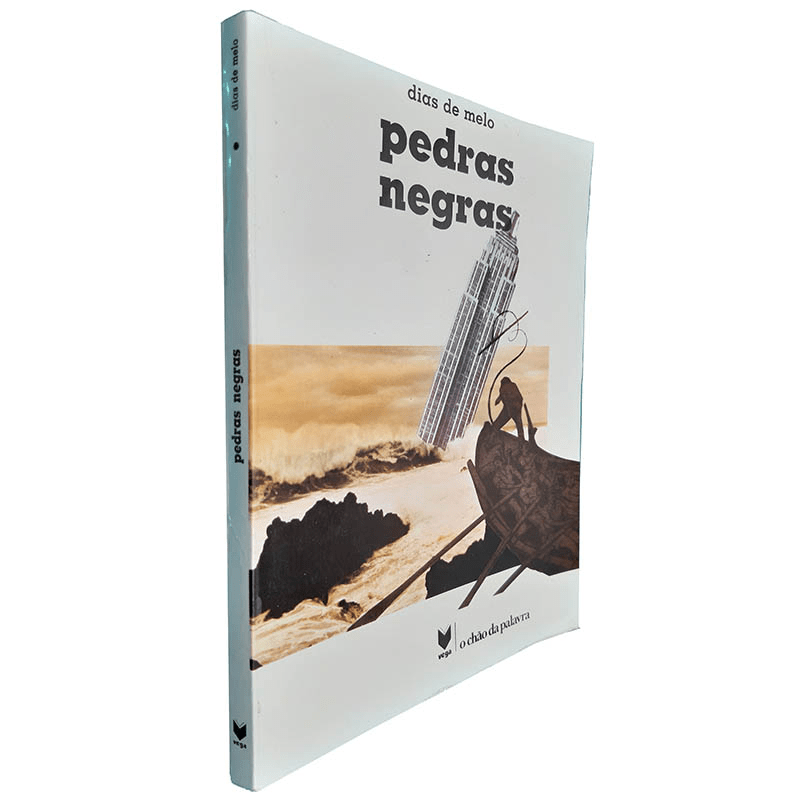
One of his most celebrated works, Pedras Negras (1964) -translated and published in English as Dark Stones-is a testament to his deep empathy for the working class. The novel portrays the lives of Pico islanders engaged in the harsh whaling trade, blending realism with poetic insight. Melo’s vivid descriptions of the volcanic landscapes and the relentless Atlantic Ocean are not just settings but active participants in the narrative, shaping the lives and destinies of his characters. Through his lens, the Azorean experience is universalized, revealing the universal themes of survival, community, and dignity.

Beyond his literary contributions, Dias de Melo was also a teacher and cultural advocate. His dedication to preserving the Azorean way of life and addressing the challenges of migration and modernization resonates through his works. He captured the essence of a community at the crossroads of tradition and change, making his writings a cultural treasure for the Azores and an invaluable contribution to Portuguese literature. His legacy is a voice for the voiceless, a chronicler of the Azorean spirit, and a bridge between local and global narratives.
‘We thank the Luso-American Education Foundation for their support.


 Filamentos (artes e letras)