

Clarice Lispector, one of Brazil’s most celebrated literary figures, is renowned for her enigmatic prose and profound exploration of existential themes. Born on December 10, 1920, in Chechelnyk, Ukraine, Lispector immigrated to Brazil with her family as a child, fleeing the anti-Semitic violence that ravaged Eastern Europe. Her Jewish heritage and immigrant experience profoundly shaped her identity, imbuing her works with a unique perspective that resonates across cultures.
Lispector grew up in Recife, a vibrant city in northeastern Brazil, where her keen observation of social contrasts and human behavior began to take root. Her family later moved to Rio de Janeiro, where she pursued a degree in law at the University of Brazil. Although she briefly practiced law, her passion for writing soon took precedence. Lispector published her first novel, Near to the Wild Heart (Perto do Coração Selvagem), in 1943 at 23. This debut work, which won the Graça Aranha Prize for the best first novel, was a groundbreaking exploration of inner consciousness and existential questioning, drawing comparisons to the works of James Joyce and Virginia Woolf.
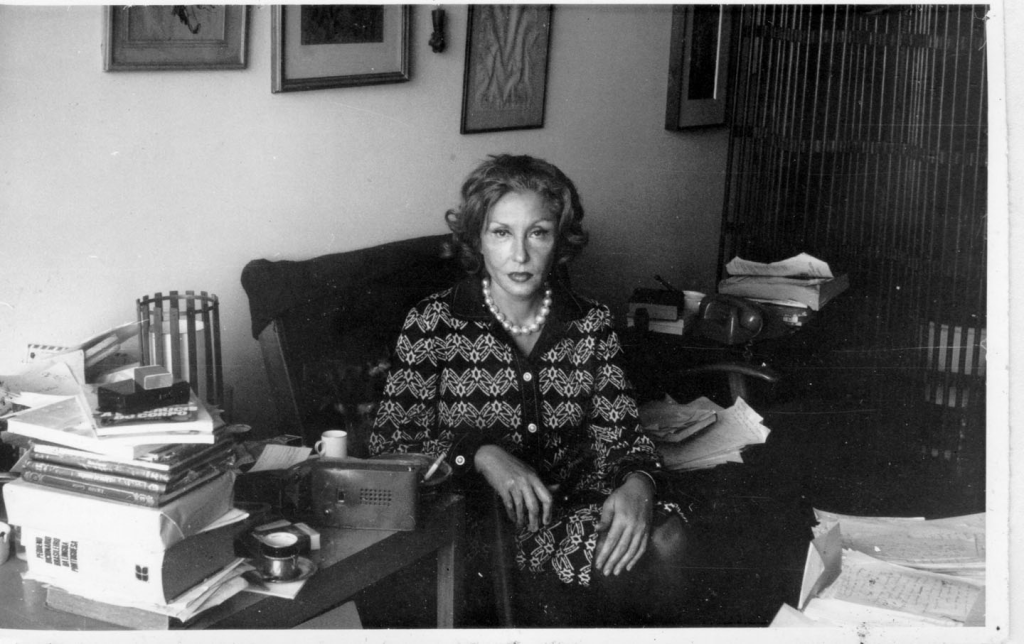
Lispector’s writing defied categorization throughout her career, blending elements of modernism, existentialism, and mysticism. Her narratives often eschewed conventional plot structures in favor of introspective and philosophical musings. Novels such as The Hour of the Star (A Hora da Estrela) and The Passion According to G.H. (A Paixão Segundo G.H.) exemplify her ability to delve into the human psyche and confront universal questions about identity, purpose, and mortality. In The Hour of the Star, published shortly before she died in 1977, Lispector examines themes of poverty, alienation, and resilience through the life of Macabéa, an impoverished young woman in Rio de Janeiro. This poignant work reflects Lispector’s deep empathy for marginalized individuals and her unflinching gaze at the harsh realities of life.
In addition to her novels, Lispector was a prolific short story writer and essayist. Her short stories, collected in volumes such as Family Ties (Laços de Família) and The Foreign Legion (A Legião Estrangeira), reveal her mastery of the form. These stories often focus on everyday moments that become extraordinary through her intense scrutiny and poetic language. Her essays, including those compiled in Selected Crônicas, showcase her wit, intellect, and ability to capture the essence of Brazilian culture and society.
Lispector’s literary voice remains unparalleled, marked by its lyrical beauty and profound philosophical depth. She has influenced countless writers and continues to captivate readers worldwide with her timeless explorations of the human condition. Clarice Lispector’s legacy endures as a testament to the transformative power of literature, transcending boundaries and illuminating the complexities of existence.

 Filamentos (artes e letras)