

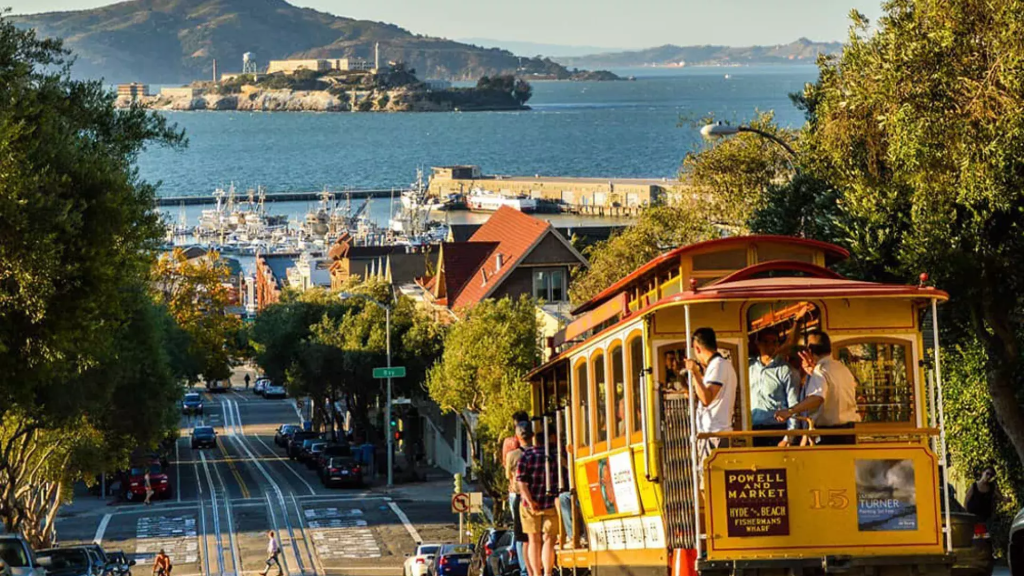
Picture from the San Francisco official travel site
Travel, whether for leisure or work, can be an excellent learning opportunity. I haven’t visited everything I would have liked, and life, not being a stepmother, hasn’t provided me with the means to make some dreams come true, but it has imposed priorities on me, resulting in compromises. It’s not a lament. It’s just an observation. I’m proud of my choices and of what has resulted. I haven’t traveled as much as I would have liked, but I know some parts of the world. While my choices have deprived me of getting to know some of the places and people in my imagination when I was young, today, the pain in my joints, the rising interest rates, and the cost of living defrauded me from my youthful dreams. Now I’m complaining, not about the pain in my joints – that’s what they are – but about the political choices leading us towards a crisis whose social and economic effects are devastating.
Trips that go beyond the dolce far niente associated with all-inclusive tourism, although these can also be enriched from the point of view of learning if the mind is open, attentive, and, above all, willing to go beyond the torpor of excess food, the consumption of drinks with high alcohol content and the boundaries of the resort, but as I said, traveling is (can always be) synonymous with learning what can only be understood by seeing and feeling.

Picture from the San Francisco official travel site
Looking at Union Square in San Francisco is not quite the same as sitting there, strolling around and observing the pulse of the place and the people rushing past, or taking advantage of the space for a brief or longer break. It’s not enough to look; you have to see.
Since we’re in San Francisco, let’s take advantage of the traditional streetcar and wander through the hills of this city, which we all know from Hollywood film productions, and stop on the shores of the bay right in the heart of one of its most picturesque and well-known neighborhoods, Fisherman’s Wharf, with the Golden Gate right next door, looking west, and, just opposite, Alcatraz Island, which housed the famous prison of the same name, to the east, on the other side of the bay, we see Oakland and the bridge that connects the two cities, as well as Yerba Buena Island, where the Oakland Bridge has set up one of its support points. At Fisherman’s Wharf, I discovered the excellent musician Robert Culbertson and the instrument – Chapman stick – from which melodious sounds came out, which I later learned was a Celtic song and dance (An Dro).
Picture from the San Francisco official travel site
San Francisco is much more than the Golden Gate, Fisherman’s Wharf, its hills, and streetcars. The urban space is a mix of Victorian and modern architecture. The diverse population and many cultures coexist, giving the city unique characteristics. It’s no coincidence that San Francisco is (was) one of the most avant-garde cities in the United States.

Picture from….https://www.afar.com/places/city-lights-bookstore-san-francisco
Entering the City Lights bookstore and publishing house, founded in 1953 by Lawrence Ferlinghetti and Peter Martin, and enjoying the space that housed and published the poets of the Beat Generation is to feel that poetry and literature, besides beauty, can contribute to the revolution of thought. When I was there, I might have encountered Ferlinghetti or Hirschman, which wasn’t the case. Later, I had the opportunity to participate online in the “Red Carnation” poetry festival, promoted by the World Poetry Movement, which featured Jack Hirscham. In addition to the aesthetic rupture of their poetry and literature, the Beat Generation was one of the voices against McCarthyism, a period of political persecution and disrespect for civil rights (the late 1940s to mid-1950s). City Lights is located in Chinatown (Columbus, Av.), adjacent to North Beach.

From: https://www.facebook.com/photo/?fbid=883930757159306&set=a.316548710564183
If City Lights is one of San Francisco’s cathedrals, others, including Grace Cathedral (an Anglican church), deserve equal attention. This time, I chose to walk from Union Square and up Powel St. to where it meets California St. You have to take the steep hill up Powel, turn left, as you should, and two blocks later, you’ll see the façade of the cathedral, where a Gothic rose window catches your eye, and then descend to the doors known as the “Gates of Paradise.” The cathedral’s interior invites you to stay and explore every nook and cranny of the cathedral, going around the Gothic columns and admiring the beautiful stained glass windows. An original and modern statue of St. Francis, a replica of which can be seen elsewhere in the city, is also a good reason, if there weren’t others, to visit this temple which is more, much more than a place of religious worship. Grace Cathedral is also a space dedicated to the enjoyment of the arts. Exhibitions, music, and performing arts are all on the agenda at this church in St. Francis.
The city’s gastronomy, as diverse as it is, can offer excellent discoveries. Choosing a place where flavors merge with jazz can be an excellent way to end the day in San Francisco. Visitors and residents alike have plenty of other options that can last well into the night. Staying overnight is also an option in this case. The next day was spent traveling to the S. Joaquim Valley, where there were many commitments and little time to stay.

Aníbal C. Pires is a poet, creative nonfiction writer, educator, and political and cultural activist. He represented the CDU in the Azorean Parliament.
Some of the books published by Aníbal C. Pires
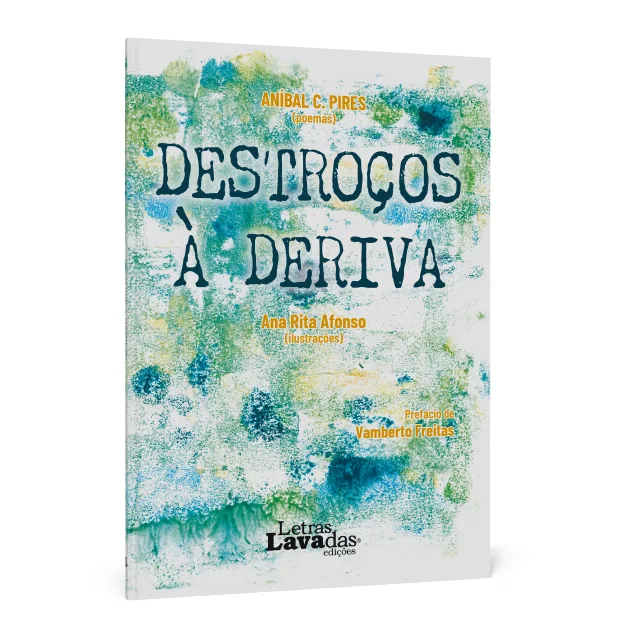



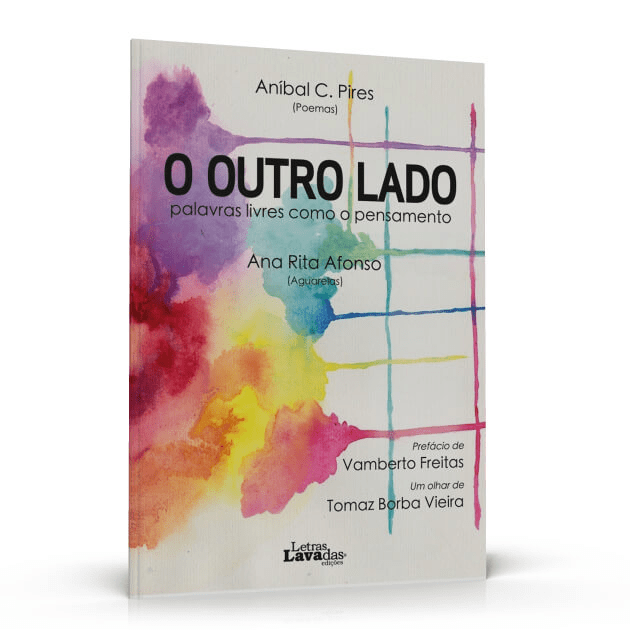
 Filamentos (artes e letras)