
Luís Filipe Sarmento, a contemporary Portuguese poet and novelist, is a unique voice in European literature. His experimental approach, often blending poetry with visual elements and other artistic expressions, reflects a unique postmodern sensibility. Sarmento’s exploration of identity and the human condition, dense, fragmented structures, and an exceptional blend of imagery and abstract thought all contribute to poetry that challenges the reader to engage with the text on multiple levels. His experimental style marks him as a significant figure in Portugal’s avant-garde literary scene, offering a reading experience unlike any other.
In his novels, Sarmento continues his exploration of the fragmented self, often delving into themes of existentialism, the fluidity of time, the complexity of human emotions, and a holistic look at human nature. His narratives are frequently nonlinear, blending past, present, and future. The characters in his novels often find themselves in existential dilemmas, grappling with questions of meaning, personal freedom, social justice, and the absurdity of life. Much like his poetry, Sarmento’s fiction is known for its intellectual rigor and complexity, challenging readers to confront their perceptions of reality and stimulating their intellect in a way few other writers can.
Luís Filipe Sarmento’s decades-long works have significantly enriched and shaped Portuguese literature, positioning him as a critical figure in the literary world. As he soon commemorates 50 years of creativity, his innovative use of language and form continues to influence younger generations of writers, making him a pivotal figure in the evolution of modern Portuguese literature. His impact on the literary landscape in the Portuguese-speaking world is undeniable, and his influence is set to endure for generations to come.

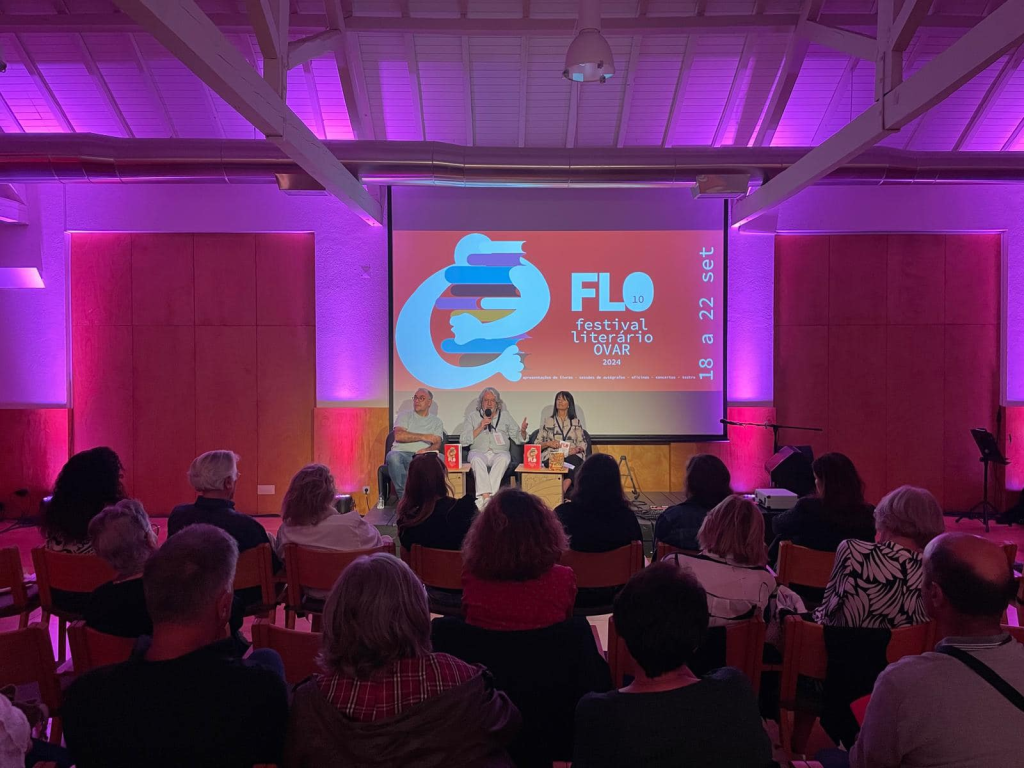
At this momentous event—the Ovarl Literary Festival—the renowned Professor Elisa Costa Pinto presented his book to an engaging audience. We are delighted to announce to our filamentous readers that his poetry book The Intimacy of Sleep is being translated into English, and his prose book Beat, an incredibly creative take on the Beat Generation, is also being translated into English. We hope to see both out in 2025.
Translating the poetry and fiction of Luís Filipe Sarmento into English is crucial for several reasons. First, it broadens the global reach of his work, allowing readers outside the Lusophone world to engage with a key voice in contemporary Portuguese literature. His innovative style and intellectual depth would resonate with readers interested in avant-garde literature, philosophy, and cross-disciplinary artistic movements.
Having Sarmento’s work available in English contributes to preserving and promoting Portuguese culture and literary tradition on a global stage. His works offer insights into the Portuguese psyche and experience, reflecting the country’s unique social, political, and cultural history. By making his work accessible in English, Sarmento’s exploration of existential dilemmas, human complexity, and postmodern fragmentation becomes part of the broader literary conversation, allowing for cross-cultural dialogue and exchange between Portuguese literature and global literary movements. Finally, English translations of Sarmento’s works would open doors for academic and critical engagement with his writing. Scholars and students of comparative literature and translation studies, among other areas of study, could analyze his texts alongside those of other global literary figures. This could lead to a more nuanced understanding of the Portuguese Literature. Ultimately, translating his work into English not only ensures its wider appreciation but also enriches the global literary canon.
Diniz Borges (filamentos-arts and letters in the diaspora)
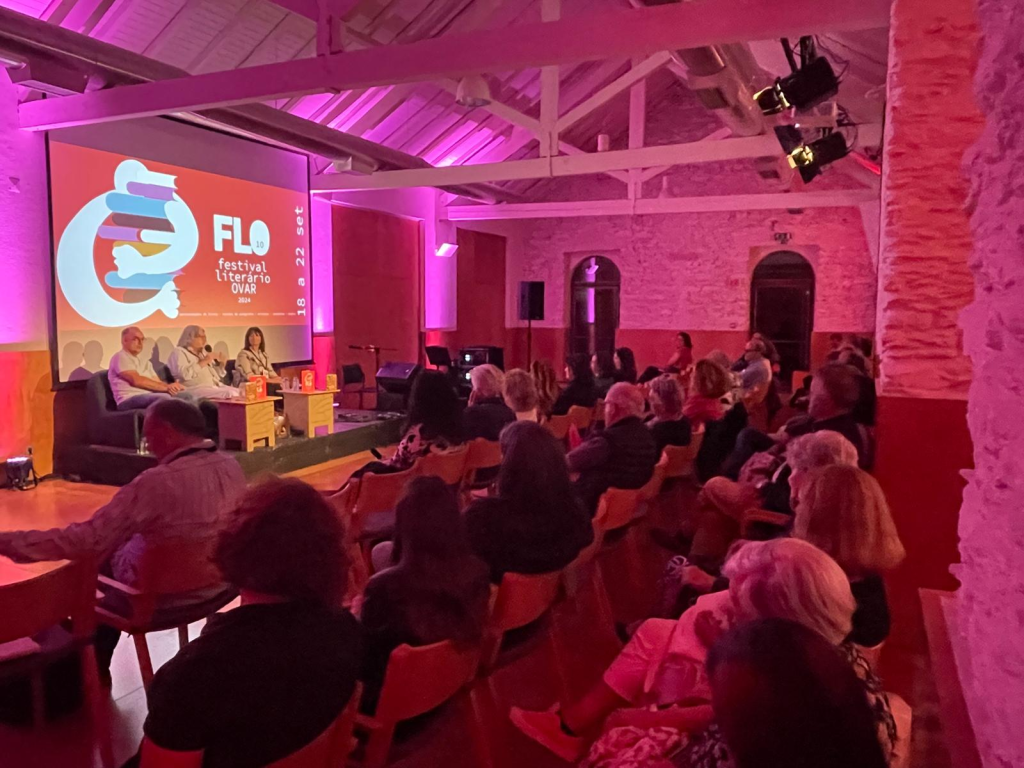
The pictures are from the author’s Facebook page
 Filamentos (artes e letras)