

Correio dos Açores – What are the aims of this biography?
António Pedro Costa—I would like this book to revisit Ruy Galvão de Carvalho’s vast oeuvre and make his contribution to Azorean literature everlasting. On the other hand, I want this collection of texts to emphasize who Ruy Galvão de Carvalho was as a poet, writer, anthologist, philosopher, and essayist and to facilitate a better understanding and overall appreciation of his work.
How important is the work that Ruy Galvão de Carvalho left us?
Ruy Galvão de Carvalho is an Azorean literary reference. His experiences, influences, and personal circumstances can help us understand the meaning and inspiration behind his vast body of work, as well as the interpretation of his poetic compositions and countless texts spread across magazines, books, essays, and newspapers. They also reveal the literary, cultural, and personal influences that shaped the life of this Azorean author.
What stands out about Ruy Galvão de Carvalho’s work?
He dedicated his career to the study and promotion of Azorean literature and culture, he was the first to do so, at the cost of many misunderstandings and the fact that nowadays everyone surrenders to the existence of a specific literature from the Azores, although integrated into Portuguese literature as a whole. It was, in fact, he who triggered the academic understanding of Azorean literature. As such, Ruy Galvão de Carvalho played a significant role in promoting Azorean literature and expanding knowledge about the culture and history of these islands. His contribution, both as an author and as an academic, has been invaluable to Lusophone literature and the understanding of Azorean identity.

How will readers react to this work?
I believe this is yet another window to an understanding of his work. The reader will be able to appreciate the essence of his poetry and writing and the connection between Ruy Galvão de Carvalho and his writing in the broader context of life in society. This will enrich the reader’s experience and allow for a more complete and meaningful interpretation of the conjunctural role of this distinguished figure from the Azores in the world of literature.
Did you know Dr. Ruy Galvão de Carvalho personally?
Yes, he was my teacher at Liceu (High School) and a fellow citizen of Rabo de Peixe. I admired Master Ruy Galvão’s distinguished personality as a man of Azorean letters and as a man for the fact that he had the habit of going to Mass every day in the late afternoon, outside of school hours, given that we perceive a marked dichotomy between philosophers and religion.
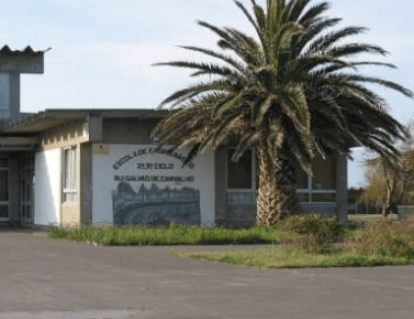
I admired the intellectual and the man, and I had the pleasure and the honor, on the occasion of his death in 1991, of proposing, as a member of the Ribeira Grande Municipal Assembly, to the Regional Directorate for Cultural Affairs that the house where he was born be turned into a House-Museum, and later that Ruy Galvão de Carvalho be named patron of the Rabo de Peixe School, where thousands of students have been taught.
Are there any episodes in your life that you would like to highlight?
There are several, but the heartbreak he suffered when his valuable library, which he donated to the University of the Azores, disappeared. This clamorous incident happened precisely when Mário Soares, as Head of State, was on his open presidency of the Azores islands from May 29 to June 11, 1989. On the night of the last day of the presidential tour of our islands, the building of the University of the Azores burned down cruelly and mercilessly, and with it, all its assets disappeared. Ruy Galvão de Carvalho was distraught. Not even the words the President of the Republic addressed to him were enough to ease the pain of such a cultural disaster since he had considerably destroyed a significant part of the Azorean heritage.

Is Ruy Galvão de Carvalho a prominent figure in Rabo de Peixe?
Not only. He is an eminently Azorean figure as well as having his name in the toponymy of Rabo de Peixe and the school being called Ruy Galvão de Carvalho. That’s why the multifaceted character of the teacher, lecturer, art critic, writer, poet, and academic will always be remembered as an Azorean who will remain in the gallery of the most outstanding figures in the culture of our islands.
in Correio dos Açores-Natalino Viveiros, director
Translated by Diniz Borges
We thank the Luso-American Education Foundation for its support. We remind you to attend the annual LAEF conference on Zoom and Facebook Live from October 2 to 5, 2025.
 Filamentos (artes e letras)