
THE HOUSE AND THE FORT
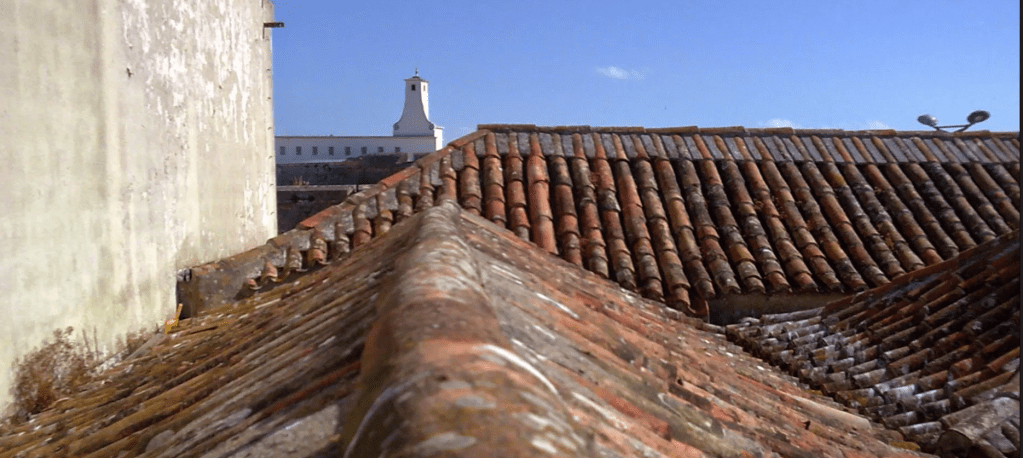
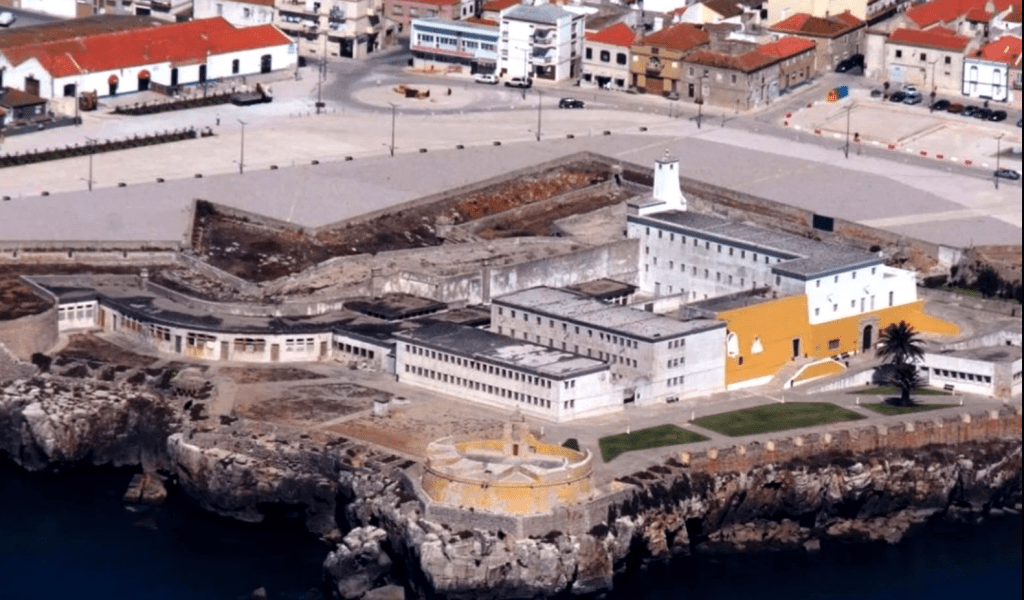
The House witnessed the common criminals building new prison blocks. Three pavilions, A, B, and C, were meant for political prisoners. It was true that others had already passed through the Fort. Germans and Austrians in the Great War, Portuguese since the founding of Estado Novo. But now it was a serious, high-security jail.
The Fort, proud of its new status, kept telling the House everything that happened inside, with even more details. And the House, curious, listened to him from across the Campo da Torre and shared with him what she saw and heard, inside and outside her walls. But neither of them ever revealed the secrets they exchanged for decades.
I tried to get House to tell me some, but she never did. She kept to herself everything that the Fort told her, with the same care that she kept the secrets of five generations of the family that lives in her. She kept to herself the stories of the prisoners and the jailers, the details of the escape in January 1960, the conversations of the agents from political police PIDE, who took shelter next to her during night watches, the arrivals and the departures of the prisoners and even their release after April 25th, 1974.
The House learned because the Fort told her about the worry of the prisoners and the guards when they heard the first news of the military coup in Lisbon. The House witnessed the arrival of the soldiers from the 10th Infantry Regiment from Aveiro in the early morning of the 25th, thinking that the forces from the 3rd Heavy Artillery Regiment and the 2nd Driving Instruction Center, which with them and the 14th Infantry Regiment formed the “November Group,” had already taken over the prison of the Fort.
The House was amazed by how fast the vendors took down their stalls and tents of the traditional fair on the last Thursday of every month at Campo da Torre after being told to leave in five minutes.
The House witnessed the astonishment of the Republican National Guard Lieutenant who commanded the detachment responsible for the security of the jail when the company commander of the 10th Infantry Regiment knocked on the door and asked for their surrender. She witnessed the siege of the Fort by soldiers of the 2nd Driving Instruction Center, mostly recruits, after the departure of the remaining forces of the group for Lisbon.
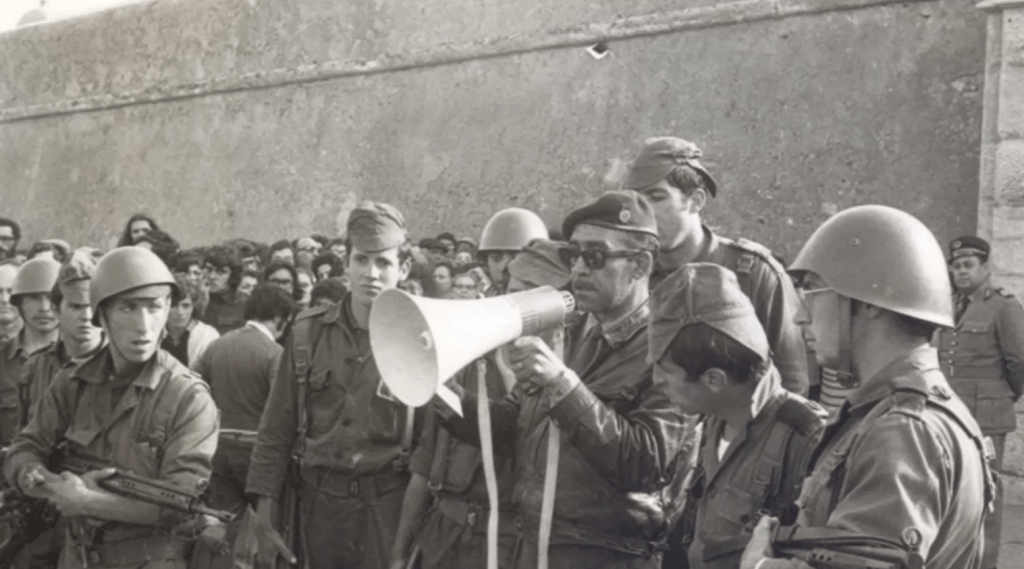
But when I tried to get the House to tell me something about the liberation of the political prisoners, she shut herself up and said nothing. If it were not for the two friends Carlos, Machado dos Santos on the side of the “liberators” and Saraiva da Costa on the side of the “liberated,” it would have been very hard to know what happened in the Fort during those two days.
On April 25, 1974, there were 36 political prisoners in the Fort. “Carlos the Liberated” was in pavilion B, which was reserved for political prisoners from Maoist organizations, LUAR, and former African colonies. At 8 a.m. on the 25th, he and some of his companions noticed that the radio had gone silent. “It’s a malfunction, and it’s being fixed,” explained the guard on duty at the pavilion. The day was expected to be tense because they were going to start a hunger strike in solidarity with the prisoners of Caxias who were protesting prison conditions.
Around 11 a.m., they realized that the RTP television network was broadcasting military marches and suspected a military coup by Kaúlza de Arriaga. When at 1 p.m. the visitors were not allowed in, they pressed the head of the guards, who finally admitted that a military uprising had taken place in Lisbon, that Marcello Caetano’s government had been overthrown, and that the main leaders of the regime had been arrested. He attributed the direction of the military coup to an MFA and to General Spínola.
Worried about being used as hostages, political prisoners broke off dialogue with prison forces and built barricades. They demanded immediate release and were barricaded by it until about 4 p.m. on the 26th.
At this time, in Cova da Moura, in Lisbon, Colonel Vasco Gonçalves entered the office where the officers of the Navy were and asked for a volunteer to participate in releasing the political prisoners of the Fort of Peniche. Lieutenant commander Machado dos Santos, the “Carlos the Liberator,” volunteered for the mission and, with Major Moreira de Azevedo, was taken by Vasco Gonçalves to the presence of General Spínola.
Spínola, after a dissertation on the limitations he imposed on the release of prisoners – those who were accused of crimes such as murder, bank robbery, and forgery of documents would not be released – and a punch on the table after “Carlos the Liberator” contradicted him, ordered the two officers to leave immediately for Peniche, accompanied by three lawyers who would solve all the legal issues.
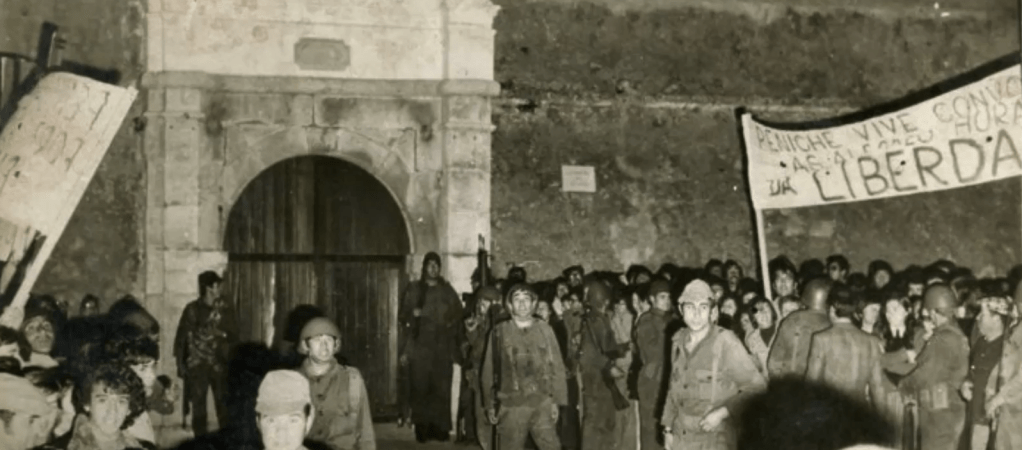
After the trip in the Mercedes of the former Minister of Defense, the group reached Campo da Torre around 10 p.m., where about a thousand people and relatives of the prisoners applauded and criticized them for being late. They banged on the Fort’s door and were received by the lieutenant of the Republican National Guard who commanded the garrison that remained there after the occupation.
They discovered that the Army commander who had seized the Fort was uncooperative, so they replaced him with his deputy in a makeshift tribunal in the jail director’s office. “Carlos The Liberator” chaired it, with the deputy of the Army company on his left and the three lawyers appointed by Spínola on his right.
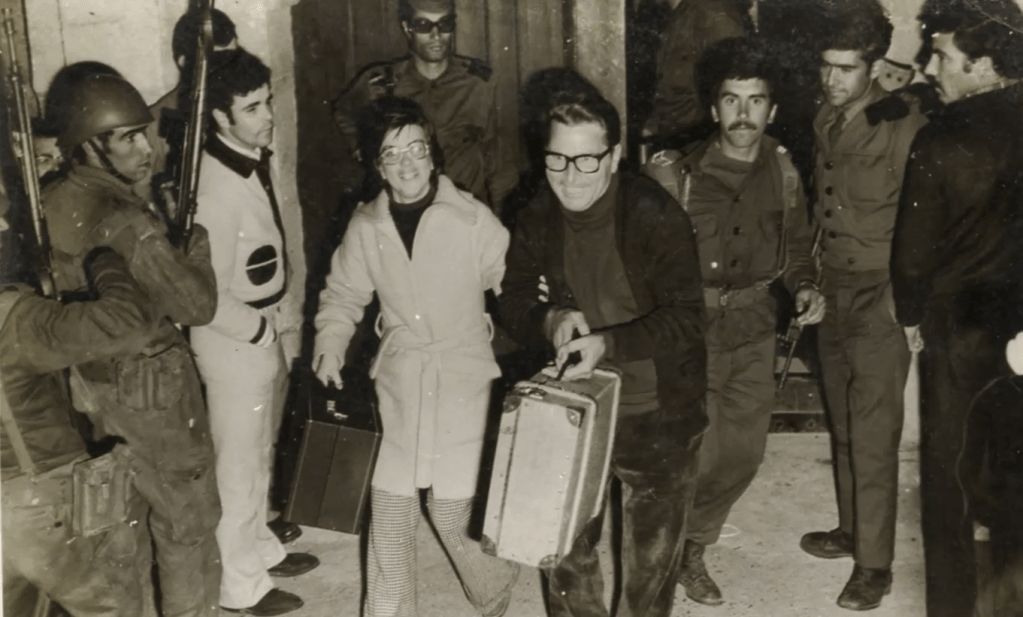
The first prisoner was called. “Carlos the Liberator” convinced the lawyers that they should stay out of the way so that the release process could go faster until they reached the four prisoners accused of blood crimes: three linked to the FAP (Popular Action Front) and accused of the execution of a PIDE informant who had exposed them, and one who took part in the assault on the Santa Maria ship, on the night of January 21 to 22, 1961.
After the prisoners incarcerated in other pavilions had left, the prisoners of pavilion B, where “Carlos the Liberated” was, decided unanimously: “We all leave, or no one leaves!” And that’s what happened. Only after “Carlos the Liberator” proposed that a term of responsibility be drawn up, on jail letterhead and in triplicate, signed by Moreira de Azevedo, Machado dos Santos, and the lawyer Macaísta Malheiros, who declared that the three prisoners accused of blood crimes would remain in his private residence in Lisbon, awaiting the final decision of the National Salvation Junta, the process of liberation has been finalized.
And so it was that, already on the 27th, the House saw all the remaining political prisoners leave the Fort to receive the unforgettable embrace of the people of Peniche. And I learned that afterward, the Lieutenant of the Republican National Guard invited the two officers and the three lawyers to a supper of freshly caught and roasted fish “in loco,” accompanied by the appropriate solid and liquid complements before they returned to Lisbon in the ministerial Mercedes.
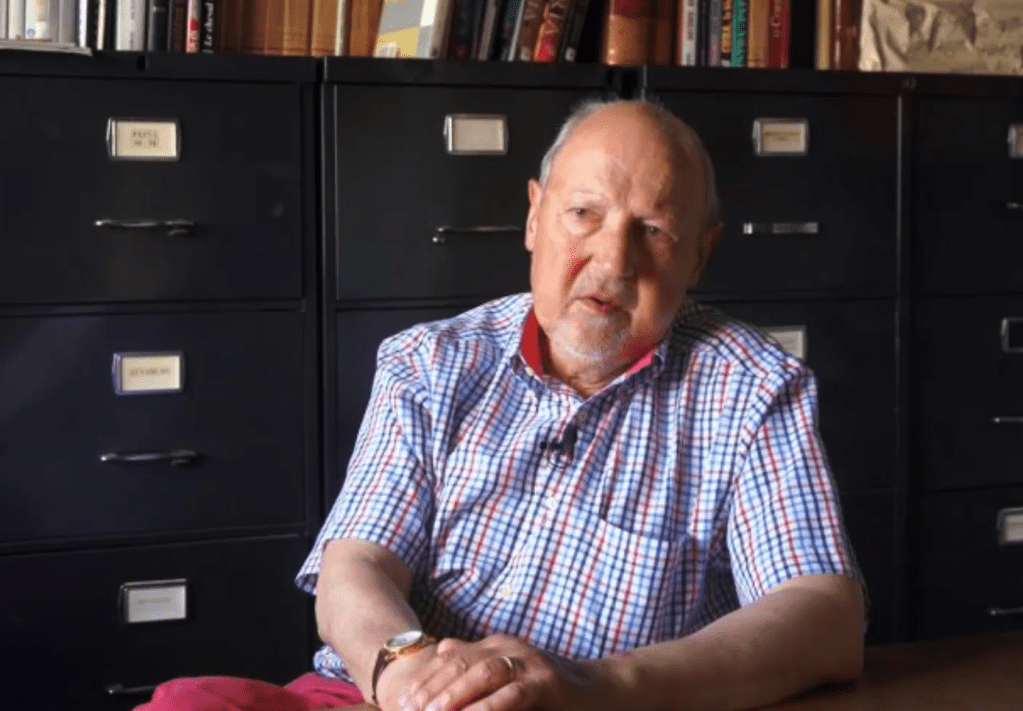
The House and the Fort did not know. Still, I knew because “Carlos the Liberator” told me that on the afternoon of the 27th, the two officers of the MFA went to Cova da Moura to report their mission to General Spínola and to discuss the issue of the conditional releases.
They only met Admiral Rosa Coutinho, who had witnessed the previous day’s scene and wrote and signed an order of custody prescription while saying: “You know, this is going much faster than anticipated!”
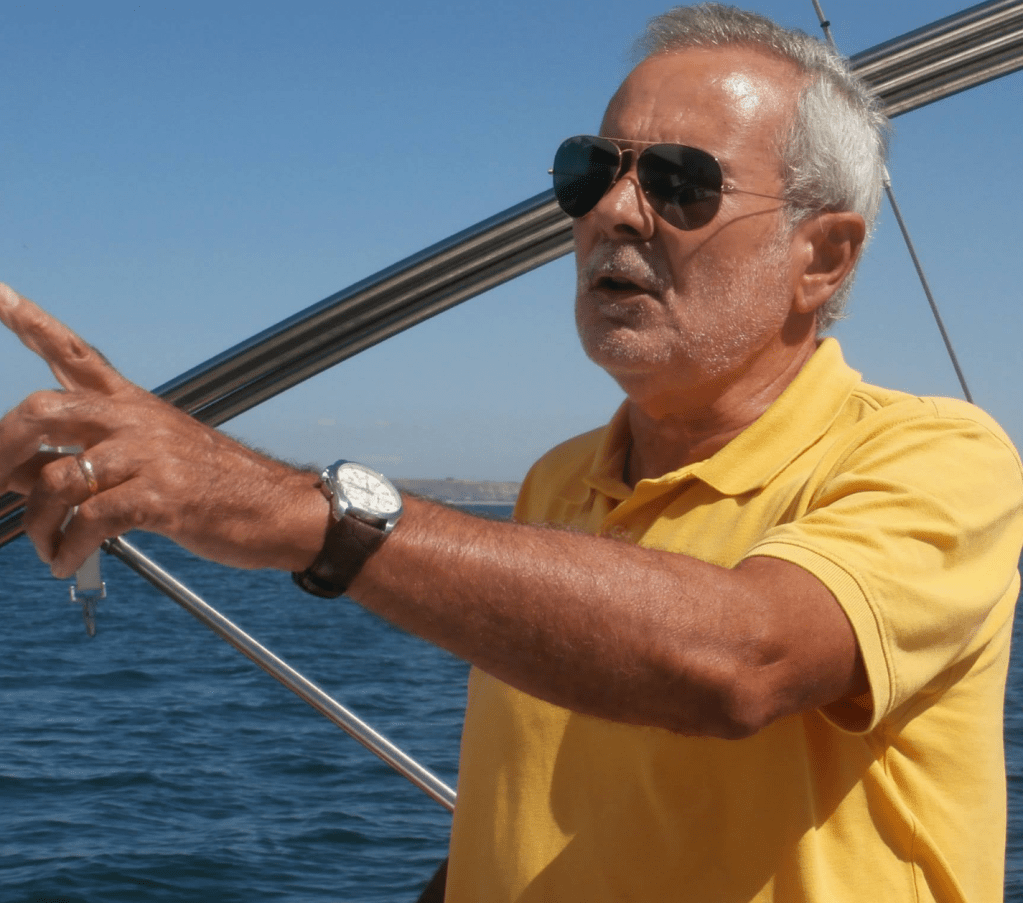
Short Story by Jorge Bettencourt, retired commander (an April Captain) of the Portuguese Navy and a member of the 25th of April Association. Commander Bettenourt and others in this association have been doing great work promoting the history of the Revolution at schools throughout the great metropolitan area of Lisbon.
Here is a link to the narration of the story. This is a great tool to use in our Portuguese community schools and our public schools and colleges with Portuguese courses.
 Filamentos (artes e letras)