
FLÁVIO CRISTÓVAM, PRESIDENT OF THE “O ENGENHO” ASSOCIATION
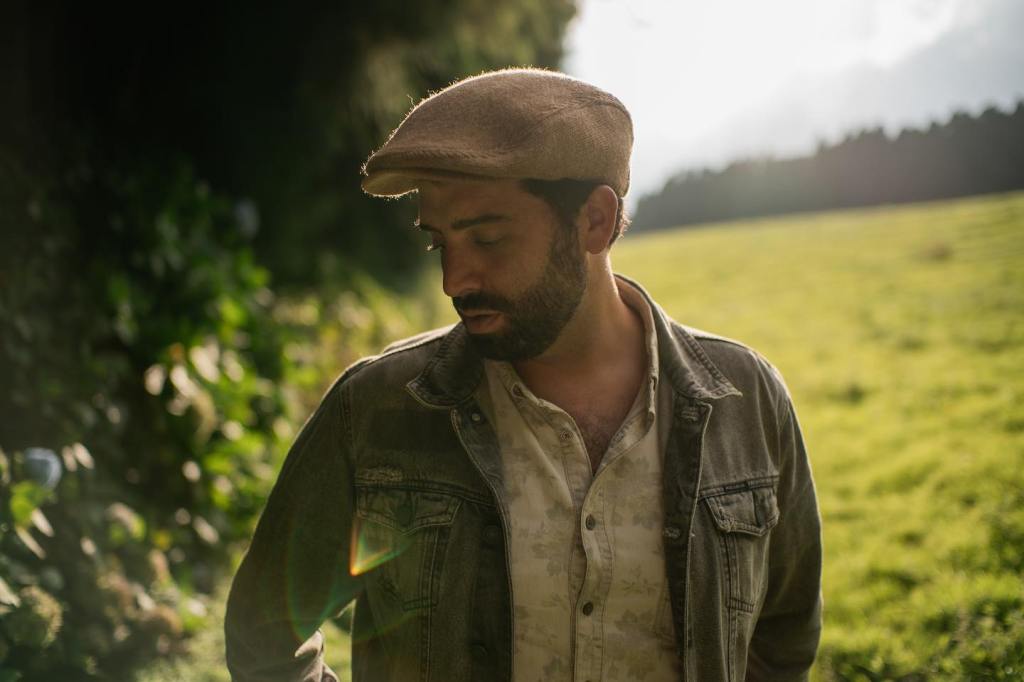
The association “O Engenho” has just announced a festival in Angra do Heroísmo, which will have monthly concerts between November and May. How did this initiative come about, and what kind of music do you want to bring to the city?
We created this cultural association to help boost culture, particularly music, on Terceira Island. The festival, which was also a long-held dream, is a natural follow-up to this goal. The festival will revolve around songs and words. This month, we’re kicking off with Valter Lobo, who is already a reference in cult music sung in Portuguese; in December we’ll have TrevorBabajackSteger, winner of the Acoustic Blues ActofTheYear award at the UK Blues Awards; in January, we’ll have Romeu Bairos, who is developing an exciting project around folklore and the Azorean popular songbook. They’re all different, but they all share a common denominator that is essential to us: they’re singer-songwriters, and songs and words are central to creating their art.
Was there a need for a festival of this kind in Angra do Heroísmo? How is the feedback from the public?
I think so. We’re going to have a very different program in a window of the year that is clearly disadvantaged in terms of events compared to the summer. We’re going to have events with the local artist community in mind, and we’re going to have concerts in very different places. The feedback has been excellent, and we’re very excited about this project.
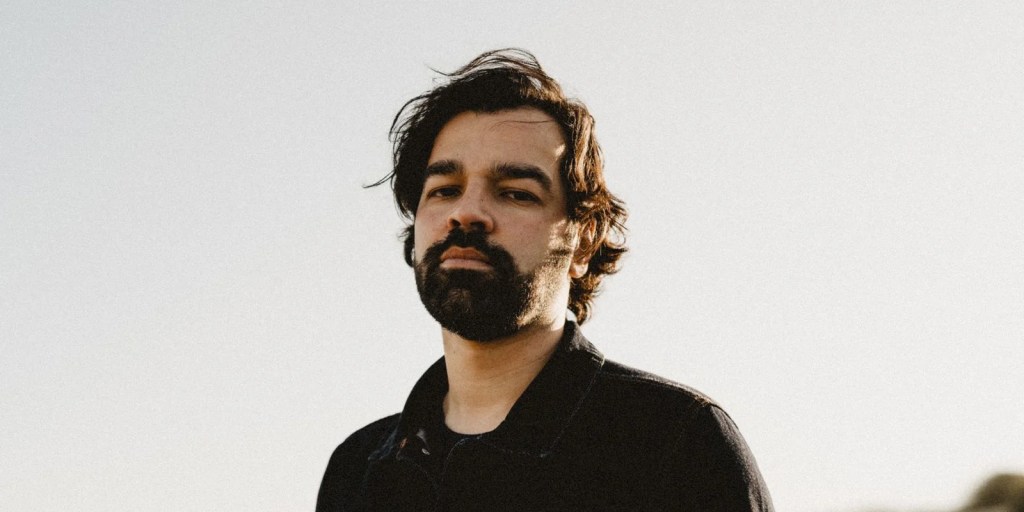
Valter Lobo, Trevor Babajack Steger, and Romeu Bairos are the first names announced. Is there an audience for less commercial music on Terceira Island?
There is an audience, but we need to demystify the idea that an event has to have 500 or 600 people to be successful… Throughout my career as a singer-songwriter, I’ve had the opportunity to play in cities with a substantial cultural presence, cities in the center of Europe with a much higher population density than ours. Yet, events are held for audiences of 80/100/150 people. We’re going to have concerts in venues like the Teatro Angrense, but we’re also going to have them in much smaller rooms, where the aim is precisely to create intimate environments perfect for the type of artists we bring. Smaller venues are necessary, not only because we live in a small environment but also because there need to be venues like this so that artists can have a natural progression of venue sizes until they reach large auditoriums. The middle ground between bars and large auditoriums is essential in an artist’s journey. What’s more, small rooms make for truly intimate spaces.
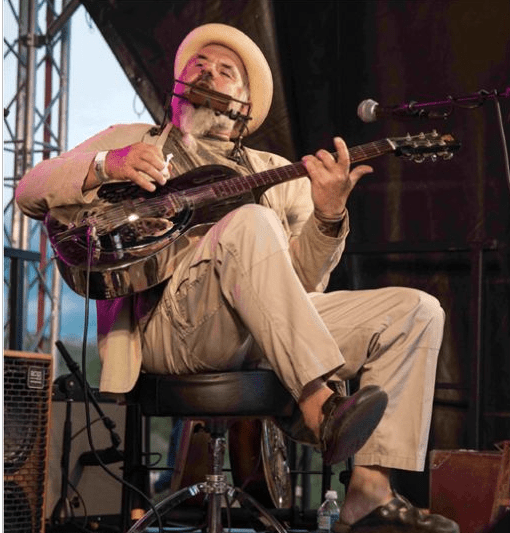
In a year when many promoters have complained about cuts in public support for events, was it easy to raise money to get this festival off the ground?
It was a lengthy process, where we had to row against the tide a little, understand where we could be different, structure ideas, make applications, and understand who we could count on for this initiative. Angra do Heroísmo City Council and the Museum listened to us, liked the project, understood its framework, and decided to be our partners.
The festival will also have a training component for local musicians. Was this a gap you felt? What has the response been like?
I’m speaking from experience here because it’s my profession, and I know how difficult it is to access this kind of training in the Azores. We’re going to have workshops aimed at songwriting, music production, career management, agency, copyright, related rights, publishing, in short, a lot of subjects that are super important in the day-to-day life of anyone who wants to do this more professionally, and which, unfortunately, we’ve had very little access to in recent years. Attendance has been perfect, and we’re excited about the possibility of being a gateway to this type of training.
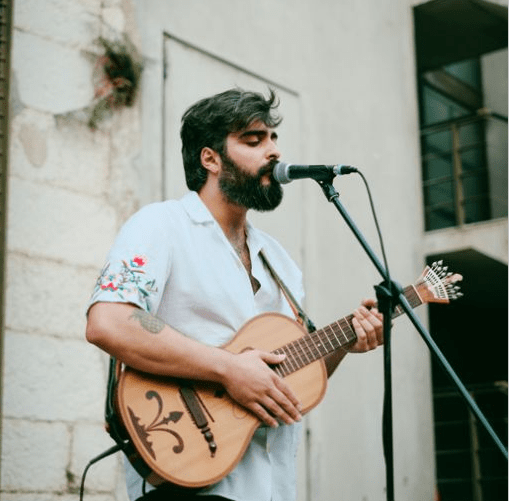
How did the association “O Engenho” come about, and with what objective?
The O Engenho Cultural Association was born from the sum of several objectives. We want to contribute to the evolution of our island’s cultural scene by creating festivals and holding workshops that enhance the learning and evolution of the local community of artists. We want to be an active voice in the struggle of all those who wish to professionalize their work in music and experience the many difficulties caused by insularity. We want to demonstrate the quality of Azorean projects and bring together a community of united artists who can fight to create better conditions for professionalizing their work.
From an interview in Diário Insular – José Lourenço, director
Translated to English as a community outreach program from the Portuguese Beyond Borders Institute (PBBI) and the Modern and Classical Languages and Cultures Department (MCLL) as part of Bruma Publication and ADMA (Azores-Diaspora Media Alliance) at California State University, Fresno.
 Filamentos (artes e letras)