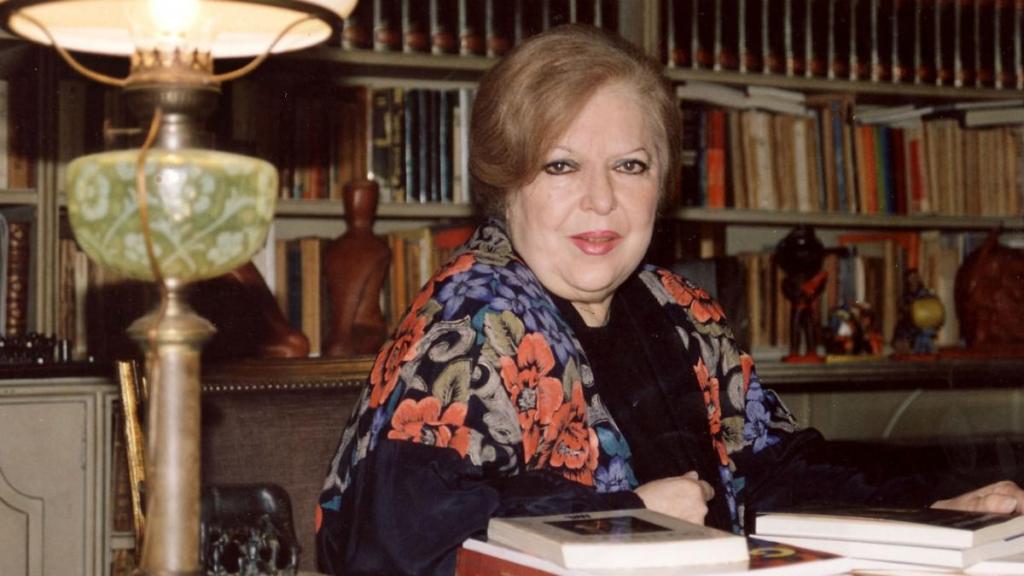
The writer Natália Correia should be remembered for her struggle to “rescue humanity” and for her search for a world with “more social justice” through a literary legacy that is a “masterpiece,” consider researcher and poet Ângela Almeida.
Speaking to the Lusa news agency about the various initiatives organized by Fajã de Baixo, in the Azores, to commemorate the centenary of one of the parish’s most illustrious daughters, the researcher argues that Natália Correia should be remembered for having sought to “liberate the world from its state”.
“We should remember her for the legacy she left us with her fight to rescue humanity, to free the world from its current state, towards a world with much more social justice, equality and full respect for human rights,” she says.
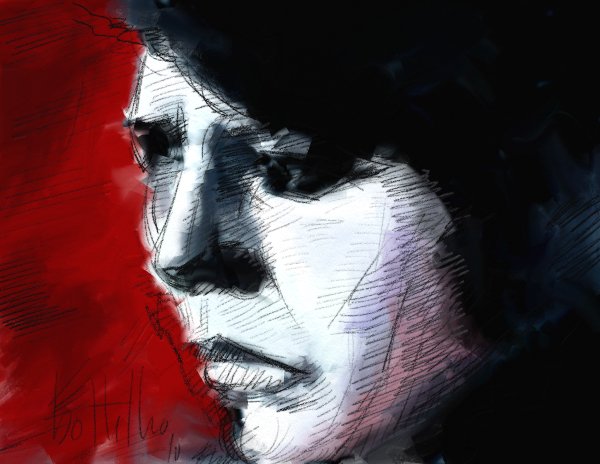
A struggle for “integral respect for the planet” driven by a “major literary work.”
“This is Natália Correia’s great legacy. This is how we should remember her; she did it through a masterpiece of literature. There are always books that are better than others in a significant literary work, but overall, her work is a masterpiece, especially her poetry and essays.”
Natália Correia, writer, poet, and former member of the Portuguese Parliament, was born on September 13, 1923, in the parish of Fajã de Baixo, on the island of São Miguel, in Ponta Delgada.
The parish of Fajã de Baixo has organized several initiatives to commemorate the author’s centenary, including “Meaning of the Cult of the Holy Spirit in Natalia,” with the presence of Henrique Levy, Ângela Almeida, and Roberto Jesus Reis.
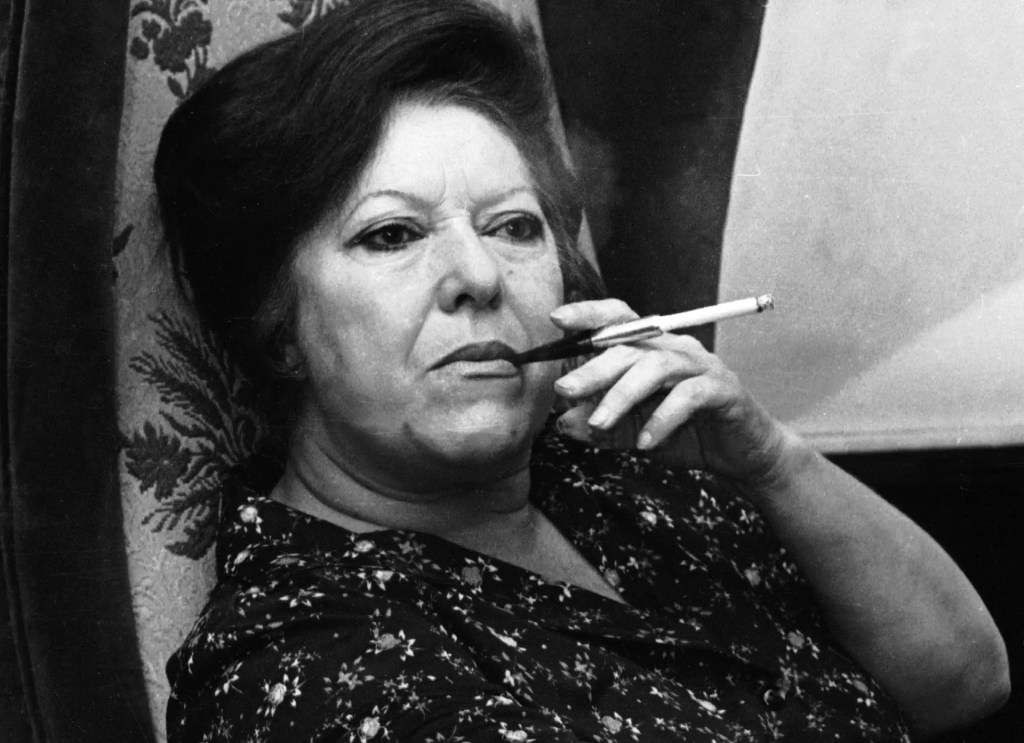
Ângela Almeida, who has a Ph.D. in Portuguese Literature with a thesis on Natália Correia, believes that the writer’s attraction to the Holy Spirit was due to the “spirit of fraternity” present in those popular festivals that take place throughout the archipelago.
“She was born here [in the Azores] and spent her childhood practicing the cult of the Holy Spirit. What attracted her most to this cult was the feeling of fraternity it generated and what it could bring to humanity,” she explains.
The fact that it was a celebration that took place “outside the molds of the traditional Catholic church” also motivated Natália Correia’s interest, as she never detached herself from her Azorean roots.
“She had a love for her island, with which she had – as she said – a visceral connection.”
On the island, the cult of the Holy Spirit and the knowledge of books, passed on by her mother, began to generate in Natália Correia a need to “create a more interiorized life” as opposed to the materialism of society.
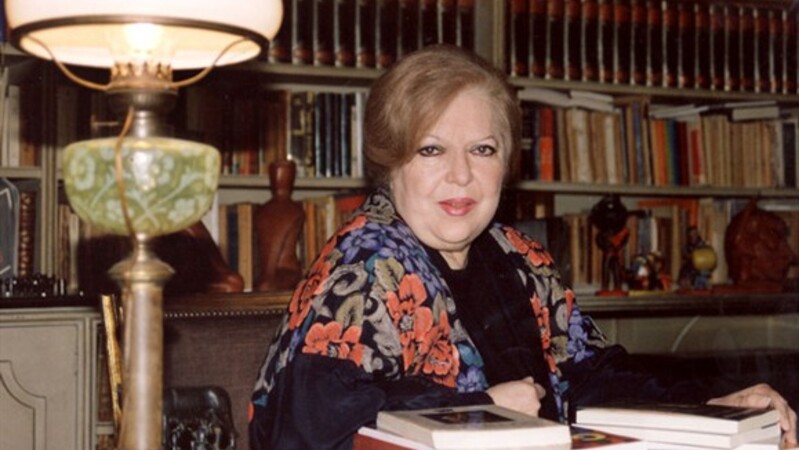
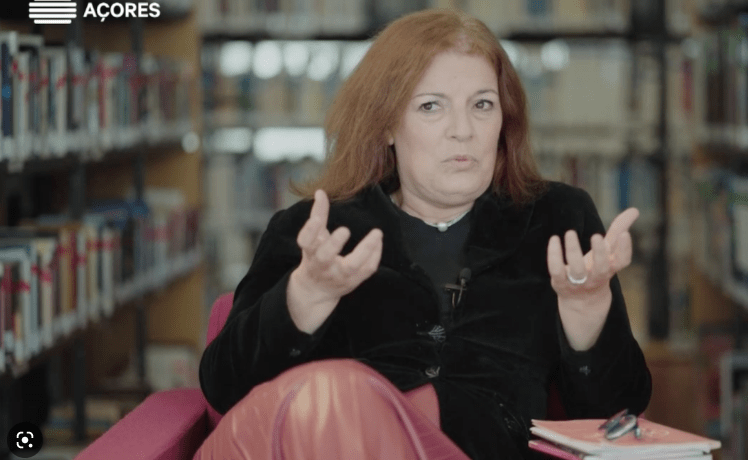
“There is an interiority that she drank in here on the island during her childhood, naturally brought by the experience of the cult of the Holy Spirit, but above all by the way it is lived with joy, community spirit, and fraternity,” says Ângela Almeida.
She concluded: “There’s a whole inner atmosphere that shapes her and that she takes with her when she goes to the mainland [at the age of 11]. An atmosphere that she develops throughout her life and that will give her journey more meaning. A journey made exactly from matter to spirit.”
Ângela Almeida has been a leading advisor to the Cátedra Natália Correia that is being implemented at PBBI-Fresno State. Along with the Cátedra, which will feature talks, research, and publications, the involvement of Bruma Publications in publishing all of the unpublished works of Natália Correia is of utmost importance to us at Fresno State as we partner with other entities and publishers.
in Açoriano Oriental, Paulo Simões – director
Translated to English as a community outreach program from the Portuguese Beyond Borders Institute (PBBI) and the Modern and Classical Languages and Cultures Department (MCLL) as part of Bruma Publication and ADMA (Azores-Diaspora Media Alliance) at California State University, Fresno.
 Filamentos (artes e letras)